Table of Contents
- What is a yoga studio and how does it differ from other fitness facilities
- What equipment and amenities do yoga studios typically provide
- How do yoga studios create a mindful atmosphere different from gyms
- What types of yoga studios exist and which style matches your goals
- What is hot yoga and which studios specialize in heated practices
- What makes a yoga studio suitable for beginners vs advanced practitioners
- How much does yoga studio membership cost compared to drop-in rates
- What factors affect yoga studio pricing in different cities
- When should you choose membership vs pay-per-class options
- How to find yoga studios near you and evaluate their quality
- What cleanliness and hygiene standards should you expect
- How to research instructor qualifications and teaching styles
- What to expect in your first yoga studio class and proper etiquette
- What should you bring to your first yoga studio session
- What yoga studio etiquette rules help create a respectful environment
- How yoga studios build community connections beyond regular classes
- What workshops and events do yoga studios offer for deeper learning
- How do yoga studios support student relationships and accountability
- Should you use a yoga studio app or attend in-person classes
- What are the costs and benefits of popular yoga studio apps
- When does in-person instruction provide advantages over digital practice
- Frequently Asked Questions About Yoga Studios
A yoga studio is a specialized fitness facility designed exclusively for yoga practice, featuring dedicated spaces, professional instructors, and equipment specifically tailored for various yoga disciplines. Unlike traditional gyms that focus on cardiovascular equipment and weight training, yoga studios prioritize creating mindful environments that support both physical postures and mental wellness through the ancient practice of yoga.
Quick Reference – Essential Yoga Studio Facts:
– Over 41,000 yoga studios operate across the United States as of 2026
– Average monthly membership ranges from $89-$179 depending on location and amenities
– Most studios provide basic equipment but encourage personal mat ownership
– Beginner-friendly studios typically offer foundational classes 3-4 times per week
– Hot yoga studios maintain temperatures between 95-105°F with controlled humidity
Jump To:
1. What is a yoga studio and how does it differ from other fitness facilities
2. What types of yoga studios exist and which style matches your goals
3. How much does yoga studio membership cost compared to drop-in rates
4. How to find yoga studios near you and evaluate their quality
5. What to expect in your first yoga studio class and proper etiquette
6. How yoga studios build community connections beyond regular classes
7. Should you use a yoga studio app or attend in-person classes
8. Frequently Asked Questions About Yoga Studios
What is a yoga studio and how does it differ from other fitness facilities
The yoga studio meaning encompasses more than just a workout space – it represents a dedicated environment where practitioners can focus on the mind-body connection that defines yoga practice. Yoga studios differ fundamentally from traditional gyms and fitness centers in their design philosophy, equipment selection, and overall atmosphere. While gyms typically feature rows of cardio machines, weight stations, and high-energy environments with music and televisions, yoga studios prioritize open floor space, natural lighting, and serene atmospheres conducive to mindful movement and meditation.
The primary distinction lies in the holistic approach yoga studios take toward fitness. Rather than focusing solely on physical exertion, these spaces integrate elements of mental wellness, spiritual growth, and community building. Yoga studios typically feature hardwood or specialized flooring suitable for bare feet, mirrors positioned to aid in alignment rather than vanity, and temperature control systems that accommodate various yoga styles from restorative practices to heated sessions.
According to the International Association of Yoga Therapists, approximately 41,000 dedicated yoga studios operated across the United States as of 2026, representing a 12% increase from the previous year. This growth reflects the increasing recognition that yoga requires specialized spaces designed to support both the physical demands of asanas (postures) and the mental focus essential to authentic practice.
What equipment and amenities do yoga studios typically provide
Most yoga studios provide essential equipment including yoga blocks, straps, bolsters, and blankets, though mat policies vary significantly between facilities. Understanding what equipment you can expect helps you prepare appropriately for classes and avoid unnecessary purchases.
Typical yoga studio equipment includes:
- Yoga blocks – Dense foam or cork blocks for pose modifications and support
- Yoga straps – Cotton or nylon straps to assist with flexibility and alignment
- Bolsters – Firm cushions for restorative poses and meditation
- Blankets – Lightweight covers for warmth during relaxation poses
- Wall space and props – Dedicated wall areas with ropes, pulleys, or mounting points
- Sound systems – Professional audio equipment for music and instructor guidance
- Storage cubbies – Secure areas for personal belongings during class
Regarding yoga mats specifically, studio policies vary considerably. Research from the Yoga Alliance indicates that 67% of studios require students to bring their own yoga studio mat for hygiene reasons, while 23% provide mats included in class fees, and 10% offer mat rentals for $2-5 per session. Studios that do provide mats typically use commercial-grade options that withstand frequent cleaning with hospital-grade disinfectants.
Many modern studios have expanded their amenities to include changing rooms with lockers, retail areas selling yoga studio store merchandise, water bottle refill stations, and dedicated spaces for pre- and post-class community interaction. Premium studios may offer additional amenities such as showers, tea stations, meditation rooms, or even café areas.
How do yoga studios create a mindful atmosphere different from gyms
Yoga studios employ specific design elements including natural lighting, minimal décor, controlled acoustics, and intentional color palettes to create environments that support introspection and focused practice. These atmospheric choices directly impact practice quality and student experience in measurable ways.
The physical environment in yoga studios serves a functional purpose beyond aesthetics. Lighting design typically incorporates large windows for natural light during day classes, with warm, dimmable LED systems for evening sessions. This contrasts sharply with the bright, energizing fluorescent lighting common in traditional gyms. Wall colors tend toward neutral, earth-tone palettes that promote calm focus rather than the bold, motivational colors often used in high-intensity fitness facilities.
Acoustic design plays a crucial role in creating the yoga studio mind & body connection. Studios invest in sound dampening materials, specialized flooring that reduces noise transmission, and high-quality audio systems that allow instructors to speak at conversational volumes while maintaining clarity. Many studios maintain “noble silence” policies in practice spaces, encouraging whispered conversations or complete quiet to preserve the meditative atmosphere.
Research published by the American College of Sports Medicine demonstrates that environmental factors including lighting, temperature, and acoustic design significantly impact exercise adherence and mind-body awareness during yoga practice. Studios that prioritize atmospheric design report 34% higher student retention rates compared to facilities with traditional gym-style environments.
Temperature control systems in yoga studios often feature zone-based climate management, allowing different areas to maintain distinct temperatures for various practice styles. Air quality receives particular attention, with many studios incorporating air purification systems and essential oil diffusers to create pleasant, clean breathing environments.
What types of yoga studios exist and which style matches your goals
Yoga studios generally fall into four main categories: traditional Hatha studios focusing on foundational poses, heated studios specializing in hot yoga practices, flow studios emphasizing dynamic vinyasa sequences, and specialty studios offering unique approaches like aerial or restorative yoga. Each type serves different practitioner goals and experience levels.
Traditional Hatha yoga studios emphasize proper alignment, breath control, and holding poses for extended periods. These studios typically attract beginners seeking to build foundational strength and flexibility, as well as experienced practitioners who prefer methodical, precise practice. Classes move at slower paces with detailed instruction on pose mechanics and modifications.
Flow-based studios focus on vinyasa yoga, linking movement with breath in dynamic sequences. These facilities appeal to practitioners seeking cardiovascular benefits alongside flexibility and strength training. Flow studios often feature upbeat music and faster-paced classes that build heat through movement rather than external heating systems.
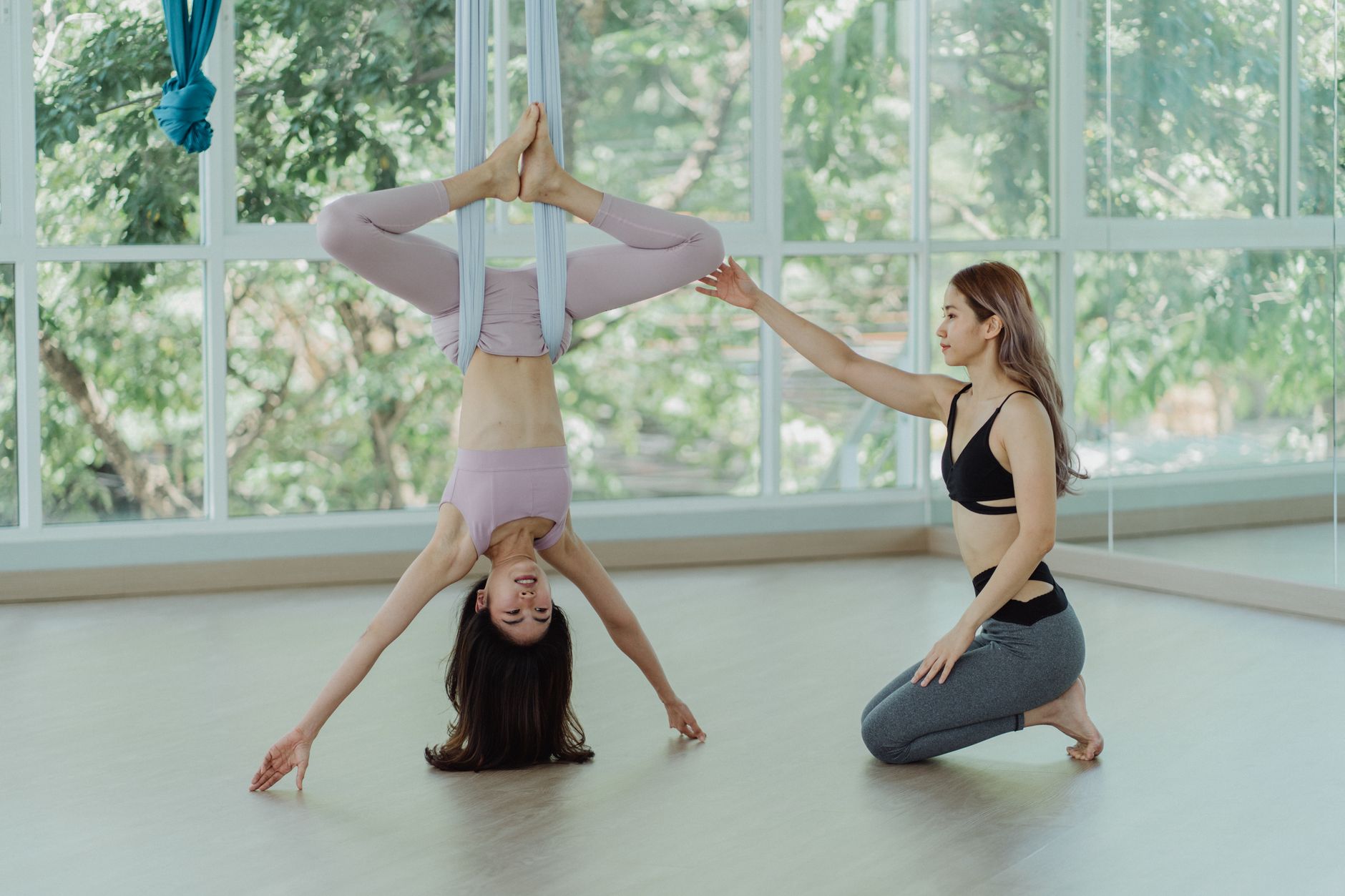
Specialty yoga studios have emerged to serve niche interests within the yoga community. Aerial yoga studios provide silk hammocks suspended from ceiling rigging, allowing practitioners to explore inverted poses with reduced joint pressure. Restorative yoga studios create deeply relaxing environments with extensive prop collections for supported, long-held poses. Some studios specialize in specific traditions like Ashtanga, Iyengar, or Kundalini yoga, each requiring distinct environmental setups and equipment.
According to 2026 industry data from the Yoga Alliance, the most popular studio types by enrollment are: Vinyasa/Flow studios (42%), Hot/Heated studios (28%), Traditional Hatha studios (18%), and Specialty studios (12%). This distribution reflects current trends toward dynamic, physically challenging practices while maintaining strong demand for traditional approaches.
What is hot yoga and which studios specialize in heated practices
Hot yoga refers to yoga practices performed in artificially heated rooms, typically maintained between 95-105°F with humidity levels of 40-60%, designed to increase flexibility, promote detoxification through sweating, and intensify the physical challenge of poses. Several distinct hot yoga styles have developed, each with specific temperature and humidity requirements.
Bikram yoga represents the most standardized form of hot yoga, practiced in rooms heated to exactly 104°F with 40% humidity. Bikram studios follow a rigid 90-minute sequence of 26 postures and two breathing exercises, repeated identically in every class. The controlled environment and consistent routine appeal to practitioners who prefer predictable, measurable progress.
Heated vinyasa studios offer more variety in sequencing while maintaining elevated temperatures typically between 95-100°F. These facilities combine the detoxification benefits of heat with the creative flow sequences characteristic of vinyasa practice. Many heated studios adjust temperature seasonally or offer classes at different heat levels throughout the day.
Infrared heating systems have gained popularity in modern hot yoga studios, using radiant heat that warms bodies directly rather than just heating air. Proponents argue that infrared heat penetrates deeper into tissues and feels more comfortable than traditional convection heating systems.
Safety considerations for hot yoga practice include proper hydration protocols and medical screening for conditions that increase heat sensitivity. The Mayo Clinic’s exercise guidelines recommend that individuals with cardiovascular conditions, pregnancy, or heat sensitivity consult healthcare providers before beginning hot yoga practice. Studios specializing in heated practices typically require liability waivers and provide detailed hydration guidelines to ensure safe participation.
What makes a yoga studio suitable for beginners vs advanced practitioners
Beginner-friendly studios prioritize detailed instruction, slower-paced classes, extensive use of props and modifications, and welcoming atmospheres that reduce intimidation for new practitioners. Advanced-focused studios assume foundational knowledge and emphasize challenging poses, minimal instruction, and intensive practice schedules.
To identify beginner-suitable studios, follow these evaluation steps:
-
Review class schedules for beginner-specific offerings – Look for classes labeled “Beginner,” “Gentle,” “Slow Flow,” or “Level 1.” Quality beginner studios typically offer 3-4 foundational classes per week at various times to accommodate different schedules.
-
Assess instructor approach during trial classes – Beginner-friendly instructors provide detailed alignment cues, offer multiple pose modifications, and create non-competitive atmospheres. They should demonstrate poses clearly and circulate to provide individual assistance.
-
Evaluate studio policies and amenities – Beginner-focused studios often include orientation sessions, equipment tutorials, and written materials explaining yoga philosophy and pose names. They typically maintain comprehensive prop collections and encourage prop usage without stigma.
-
Observe class demographics and atmosphere – Studios welcoming to beginners attract diverse age ranges and body types. The atmosphere should feel supportive rather than competitive, with students focused on personal practice rather than comparing abilities.
-
Check instructor qualifications and continuing education – Beginner-friendly studios typically employ instructors with 200+ hour certifications plus additional training in modifications, anatomy, or trauma-informed teaching approaches.
Advanced studios, conversely, may assume students understand basic pose names, require minimal instruction, and feature challenging class formats like 90-minute sessions, heated environments, or complex sequencing. Research from the International Association of Yoga indicates that 43% of beginners discontinue practice within six months when starting at studios primarily designed for advanced practitioners, compared to 18% dropout rates at beginner-focused facilities.
How much does yoga studio membership cost compared to drop-in rates
Yoga studio membership costs typically range from $89-$179 per month for unlimited classes, while drop-in rates average $18-$28 per session, making membership cost-effective for students attending 8+ classes monthly. Pricing varies significantly based on geographic location, studio amenities, and class package options.
| Payment Option | Average Cost | Best For | Pros | Cons |
|---|---|---|---|---|
| Drop-in Rate | $18-28/class | Occasional practice, studio shopping | No commitment, try different studios | Expensive per session, limited availability |
| Class Packages | $140-220/10 classes | Regular but inconsistent attendance | Cost savings, flexible timing | Expiration dates, unused classes |
| Monthly Unlimited | $89-179/month | Frequent practitioners (8+ classes/month) | Best value, consistent access | Monthly commitment, may encourage over-practice |
| Annual Membership | $890-1,790/year | Committed long-term practitioners | Significant savings, priority booking | Large upfront cost, difficult to change studios |
Key Takeaway: Membership becomes cost-effective when attending 2+ classes per week, but new practitioners should start with class packages or short-term memberships to ensure studio compatibility before committing to annual agreements.
What factors affect yoga studio pricing in different cities
Primary pricing drivers include real estate costs, local competition density, median household income, and studio operating expenses including instructor compensation and facility maintenance. Understanding these factors helps set realistic expectations when researching yoga studio nyc pricing versus smaller markets.
Major cost factors affecting studio pricing:
- Commercial real estate costs – Studios in Manhattan average $179/month for unlimited classes due to premium rent costs, while similar facilities in mid-sized cities average $89-119/month
- Instructor compensation standards – Markets with higher living costs must offer competitive teacher pay, directly impacting membership fees
- Local competition density – Areas with numerous studios often feature competitive pricing, while markets with limited options support premium pricing
- Demographics and disposable income – Studios adjust pricing based on local household income levels and willingness to invest in wellness services
- Facility amenities and overhead – Premium studios with extensive amenities, retail operations, or luxury finishes command higher membership fees
Specific 2026 pricing examples from major markets:
- New York City: $159-229/month unlimited, $32-45 drop-in rates
- Los Angeles: $139-199/month unlimited, $28-38 drop-in rates
- Austin, Texas: $99-149/month unlimited, $22-32 drop-in rates
- Portland, Oregon: $89-139/month unlimited, $18-28 drop-in rates
- Nashville, Tennessee: $79-119/month unlimited, $16-24 drop-in rates
Studios in high-cost markets often offset pricing through corporate partnerships, employer wellness programs, or sliding-scale membership options for students and low-income practitioners.
When should you choose membership vs pay-per-class options
Choose monthly membership when planning to attend 8+ classes per month, or pay-per-class when practicing irregularly, trying multiple studios, or uncertain about long-term commitment. The break-even point depends on individual attendance patterns and local pricing structures.
Membership decision factors:
-
Calculate your break-even attendance level – Divide monthly membership cost by drop-in rate to determine minimum classes needed for savings. For example, $119 monthly membership ÷ $22 drop-in rate = 5.4 classes monthly break-even point.
-
Assess schedule consistency – Monthly memberships benefit practitioners with predictable schedules who can attend regularly. Variable work schedules or frequent travel may favor class packages with longer expiration periods.
-
Consider studio exploration needs – New practitioners benefit from purchasing class packages at multiple studios before committing to single-location memberships. This allows comparison shopping and finding the best instructor/style match.
-
Evaluate commitment level and goals – Serious practitioners pursuing intensive study or teacher training typically benefit from unlimited memberships that encourage frequent practice without per-session cost concerns.
-
Factor in additional membership benefits – Many studios include perks like retail discounts, workshop priority registration, or guest passes that add value beyond class access.
Financial impact analysis at different attendance levels:
– 1-2 classes/month: Pay-per-class saves $45-89 monthly
– 3-4 classes/month: Approximately equal costs
– 5-8 classes/month: Membership saves $25-65 monthly
– 9+ classes/month: Membership saves $75-150+ monthly
How to find yoga studios near you and evaluate their quality
The most effective methods for locating quality yoga studios include using specialized apps like MINDBODY or ClassPass, checking Google Maps reviews, requesting recommendations from healthcare providers, and utilizing social media community groups for firsthand experiences. Quality evaluation requires both online research and in-person visits.
Step-by-step studio discovery process:
-
Use location-based search tools – Apps like MINDBODY, ClassPass, and YogaTrail provide comprehensive databases of local studios with class schedules, pricing, and user reviews. Google Maps offers geographic proximity mapping with integrated review systems.
-
Research instructor credentials and backgrounds – Visit studio websites to review teacher bios, certification levels, and specialization areas. Look for 200+ hour Yoga Alliance certifications as minimum qualifications, with preference for 500+ hour advanced training.
-
Read recent online reviews across multiple platforms – Check Google, Yelp, Facebook, and specialized fitness platforms for balanced perspectives. Pay attention to comments about cleanliness, instructor quality, and beginner-friendliness rather than isolated complaints.
-
Schedule trial classes or studio tours – Most studios offer first-time student discounts or trial packages. Visit during classes you’re interested in attending to observe teaching styles, class sizes, and overall atmosphere.
-
Assess location convenience and parking availability – Consider realistic travel times during intended class periods, parking costs or availability, and public transportation access to ensure consistent attendance.
When searching for a yoga studio near me, prioritize facilities within 15-20 minutes of home or work to maximize attendance consistency. Research indicates that students traveling more than 25 minutes to reach studios show 40% lower retention rates due to convenience barriers.
What cleanliness and hygiene standards should you expect
Essential hygiene practices include daily floor cleaning with antiviral solutions, weekly deep sanitization of props and equipment, proper ventilation systems maintaining air circulation, and visible cleaning supply availability for student use. Post-2025 industry standards emphasize enhanced cleaning protocols developed during the pandemic era.
Standard cleanliness expectations:
- Daily floor maintenance – Studios should clean practice surfaces with EPA-approved disinfectants between classes, with special attention to high-contact areas near the entrance and prop storage
- Prop sanitization protocols – Blocks, straps, bolsters, and blankets require cleaning between uses or individual student assignment for single-session use
- Air quality management – Proper ventilation systems should cycle fresh air regularly, with many studios adding HEPA filtration systems for enhanced air purity
- Restroom and changing area maintenance – Facilities should be cleaned multiple times daily with adequate soap, paper towels, and hand sanitizer availability
- Visible cleaning supplies – Studios should provide sanitizing wipes or spray bottles for students to clean personal spaces before and after practice
- Water fountain and common area hygiene – Regular sanitization of shared surfaces including door handles, water fountains, and seating areas
Red flags indicating inadequate hygiene standards include visibly dirty floors, musty odors, broken or stained props, empty sanitizer dispensers, or staff dismissiveness about cleaning concerns. The enhanced cleaning protocols that became industry standard in 2025 include UV sanitization systems for props, touchless entry systems, and documented cleaning schedules posted publicly.
Studios maintaining excellent hygiene typically display cleaning schedules, use hospital-grade disinfectants, and encourage students to report any cleanliness concerns without defensiveness.
How to research instructor qualifications and teaching styles
Look for instructors with minimum 200-hour Yoga Alliance certification, ongoing education credits, and teaching experience relevant to your practice level and health considerations. Quality instructors combine technical knowledge with effective communication skills and trauma-informed teaching approaches.
Instructor qualification research involves reviewing formal training credentials, teaching experience, and specialization areas. Yoga Alliance certification represents the industry standard, with 200-hour programs covering anatomy, philosophy, teaching methodology, and hands-on practice. Advanced 500-hour certifications indicate deeper study in specialized areas like prenatal yoga, yoga therapy, or specific style traditions.
Beyond basic certification, continuing education demonstrates instructor commitment to skill development. Quality teachers regularly attend workshops, complete additional training modules, and study with senior teachers to refine their understanding and teaching capabilities. Many states now require ongoing education credits for yoga instructors, similar to requirements for massage therapists or personal trainers.
Teaching style assessment requires observing classes or reading detailed instructor bios that describe their approach. Some instructors emphasize precise alignment and detailed instruction, while others focus on breath work, meditation, or flowing movement. Beginning students typically benefit from alignment-focused teachers who provide clear modifications and create non-competitive atmospheres.
Specialization credentials become important for students with specific needs. Prenatal yoga requires additional certification in safe practices for pregnant students. Trauma-informed yoga training helps instructors work sensitively with students who have experienced physical or emotional trauma. Yin yoga, restorative yoga, and meditation teacher training indicate specialized knowledge in these specific approaches.
According to the National Center for Complementary and Integrative Health, students practicing with properly certified instructors show significantly lower injury rates and higher satisfaction levels compared to those learning from uncredified teachers.
What to expect in your first yoga studio class and proper etiquette
First-time yoga studio experiences typically involve arriving 10-15 minutes early for orientation, checking in at reception, receiving basic equipment overview, and participating in a 60-75 minute class with introduction, warm-up, main practice, and final relaxation periods. Understanding typical class structure reduces anxiety and helps new students focus on learning rather than navigation.
Typical first class experience timeline:
-
Arrival and check-in (10-15 minutes before class) – Complete any required paperwork, discuss injuries or concerns with the instructor, receive studio tour including restroom and prop storage locations
-
Equipment setup and space selection (5-10 minutes) – Choose appropriate spot in the room, gather necessary props, set up yoga mat with adequate space for movement
-
Class introduction and centering (5-10 minutes) – Instructor welcomes students, explains any modifications, leads brief breathing exercises or meditation to transition into practice
-
Warm-up sequence (10-15 minutes) – Gentle movements to prepare the body, often including neck and shoulder rolls, cat-cow stretches, and basic standing poses
-
Main practice section (30-45 minutes) – Primary instruction in standing poses, seated poses, backbends, twists, or flows depending on class style and level
-
Cool-down and relaxation (5-15 minutes) – Gentle stretches followed by final resting pose (savasana) with guided meditation or complete stillness
Common first-timer concerns include not knowing pose names, feeling less flexible than other students, or making mistakes during sequences. Quality instructors acknowledge these concerns by offering modifications, encouraging students to rest when needed, and creating inclusive atmospheres where individual practice takes priority over performance.
Survey data from 2,400 first-time yoga students indicates that 73% report feeling welcomed and comfortable when instructors provide clear instructions and individual attention, while 31% feel overwhelmed in classes lacking adequate beginner support or modification options.
What should you bring to your first yoga studio session
Essential items for first-time students include a personal yoga mat (if required), water bottle, comfortable clothing that allows movement, and small towel for perspiration. Optional items include yoga blocks or straps if the studio doesn’t provide props.
First-time student packing list:
- Yoga mat – Personal mats ensure hygiene and familiar grip/cushioning. Choose 4-6mm thickness for balance between stability and joint comfort
- Water bottle – Hydration needs vary by class intensity and room temperature. Bring more water for heated classes
- Appropriate clothing – Form-fitting but not restrictive attire allows instructors to assess alignment and prevents fabric interference during poses
- Small towel – Useful for wiping perspiration, especially in heated classes or intensive practices
- Hair ties – Long hair should be secured to prevent distraction during inverted poses or forward folds
- Light snack – For classes longer than 90 minutes or if practicing several hours after meals
Clothing considerations include avoiding overly loose garments that shift during poses, choosing moisture-wicking fabrics for heated classes, and selecting modest coverage for comfort during various positions. Avoid strong fragrances, jewelry that might interfere with poses, or shoes (most yoga is practiced barefoot).
Regarding yoga studio mat policies, 67% of studios require personal mats, 23% provide mats included in fees, and 10% offer rentals. Studios providing mats typically use commercial-grade options cleaned between uses, though many students prefer personal mats for hygiene and familiarity. Mat rental fees typically range from $2-5 per session when available.
Optional items for enhanced comfort include yoga blocks for pose modifications, straps for flexibility assistance, and blankets for warmth during relaxation periods. Most studios provide these props, but personal equipment ensures availability and preferred brands.
What yoga studio etiquette rules help create a respectful environment
Core yoga studio etiquette includes arriving on time, maintaining silence in practice spaces, respecting personal space boundaries, following instructor guidance, and staying for complete final relaxation periods. These guidelines preserve the meditative atmosphere essential for quality practice.
Essential etiquette guidelines:
- Punctuality and preparation – Arrive 5-10 minutes early to set up equipment and settle in before instruction begins. Late arrivals disrupt concentration and miss important warm-up sequences
- Silence and minimal conversation – Keep voices to whispers in practice rooms, save social conversations for lobby areas before and after class
- Personal space respect – Allow adequate space between mats (approximately arm’s length), avoid walking across others’ mats, ask permission before adjusting equipment near other students
- Electronic device policies – Turn phones to silent mode, avoid checking devices during class, respect photography restrictions most studios maintain for privacy
- Scent consideration – Avoid strong perfumes, colognes, or heavily scented products that may trigger sensitivities in close quarters
- Instructor guidance – Follow cues about pose modifications, rest periods, and class structure rather than practicing personal sequences during group instruction
- Final relaxation participation – Stay for complete savasana period rather than leaving early, as movement and door sounds disturb others’ relaxation
Etiquette variations exist between different yoga traditions and studio cultures. Bikram studios maintain stricter silence policies and discourage leaving the room during practice. Vinyasa studios may allow more conversational atmosphere during setup periods. Iyengar studios often emphasize precise prop placement and minimal disruption during detailed instruction periods.
Respectful prop handling includes returning equipment to designated storage areas, wiping down borrowed items if requested, and asking for assistance rather than searching through storage areas independently. Many studios encourage students to help fold blankets or organize props as community service.
How yoga studios build community connections beyond regular classes
Successful yoga studios foster community through workshops, social events, teacher training programs, volunteer opportunities, and online platforms that connect students outside of regular class time. These connections often become the primary factor in long-term student retention and engagement.
Community building extends far beyond the physical practice space, creating networks of support that enhance both yoga study and personal relationships. Studios typically organize monthly workshops focusing on specific aspects of yoga practice like arm balances, meditation techniques, or philosophical study. These intensive sessions allow deeper exploration than regular classes permit and create natural opportunities for student interaction and shared learning experiences.
Social events might include potluck dinners, outdoor practice sessions, studio volunteer days, or group attendance at yoga conferences and retreats. Many studios maintain community bulletin boards (physical or digital) where students share resources, form carpools to events, or organize independent practice groups. Some facilities dedicate lounge areas with comfortable seating, tea service, or lending libraries to encourage pre- and post-class socializing.
Teacher training programs create particularly strong community bonds, as participants share intensive learning experiences over several months. Many studios offer training programs open to serious students regardless of teaching ambitions, recognizing that deeper study naturally builds commitment and connection to the studio community.
Research published in the Journal of Health Psychology indicates that yoga practitioners who participate in studio community activities beyond regular classes report 45% higher practice consistency and 62% greater overall life satisfaction compared to students who attend only scheduled classes. These social connections provide accountability, motivation, and support that extends the benefits of yoga practice into daily life.
What workshops and events do yoga studios offer for deeper learning
Common workshop offerings include anatomy and alignment intensives, meditation retreats, philosophy seminars, specialized technique workshops (arm balances, inversions), seasonal ceremonies, and visiting teacher events. These programs typically run 2-6 hours and cost $35-85 per session.
Popular workshop categories:
- Anatomy and alignment workshops – Detailed study of body mechanics, injury prevention, and precise pose execution with props and partner work
- Meditation and breathwork intensives – Extended practice sessions focusing on pranayama (breathing techniques), mindfulness meditation, and concentration practices
- Arm balance and inversion workshops – Progressive instruction in challenging poses like crow pose, handstand, and headstand with safety spotting
- Philosophy and spiritual study groups – Discussion of yoga texts, ethical principles, and practical application of yoga philosophy to modern life
- Seasonal and ceremonial gatherings – Full moon meditations, solstice celebrations, New Year intention-setting ceremonies
- Visiting teacher events – Special classes or workshops with renowned instructors from other cities or yoga traditions
- Lifestyle and wellness seminars – Topics like Ayurveda, yoga nutrition, stress management, and work-life balance
Workshop participation rates correlate strongly with long-term studio membership retention. Industry data shows that students attending 3+ workshops annually maintain studio membership for an average of 2.8 years, compared to 1.1 years for students attending only regular classes. This enhanced engagement reflects both the deeper learning opportunities workshops provide and the stronger social connections formed through intensive shared experiences.
Pricing for workshops typically ranges from $35-45 for 2-hour sessions to $75-85 for full-day intensives. Many studios offer package discounts for multiple workshops or reduced rates for monthly unlimited members.
How do yoga studios support student relationships and accountability
Studios facilitate student connections through buddy systems, practice groups, social media communities, mentorship programs, and accountability challenges that pair practitioners with similar goals and experience levels. These formal and informal support systems significantly improve practice consistency and personal growth.
Formal accountability programs might include 30-day or 108-day practice challenges where students commit to regular attendance and support each other’s goals. Many studios create online groups (Facebook, WhatsApp, or studio-specific apps) where participants share experiences, ask questions, and celebrate milestones. These digital communities often extend beyond challenge periods, becoming ongoing support networks.
Mentorship programs pair experienced students with beginners, providing guidance on pose modifications, studio culture, and general yoga education. Mentors often receive continuing education credits or studio perks in exchange for their volunteer service, creating win-win relationships that strengthen the overall community fabric.
Study groups focusing on yoga philosophy, Sanskrit language, or specific yoga texts create intellectual connections that complement physical practice. Many studios host monthly book clubs, discussion groups, or film screenings that explore yoga’s cultural and spiritual dimensions.
Practice partnerships and buddy systems help students maintain consistency by creating mutual accountability. Partners might commit to attending certain classes together, sharing progress on specific poses, or providing encouragement during challenging periods. Studios often facilitate these connections through informal introductions or structured partnership programs.
Statistical analysis of studio retention data indicates that students participating in community programs show 73% higher practice consistency over 12-month periods compared to those attending only regular classes. The accountability and social support these programs provide often becomes more motivating than individual practice goals alone.
Should you use a yoga studio app or attend in-person classes
Both yoga studio apps and in-person classes offer distinct advantages: apps provide convenience, cost-effectiveness, and schedule flexibility, while in-person instruction offers personalized adjustments, community connection, and real-time feedback that prevents injury and accelerates learning. The optimal choice depends on experience level, learning style, and personal goals.
| Aspect | Yoga Studio App | In-Person Classes | Winner |
|---|---|---|---|
| Cost | $10-30/month unlimited | $89-179/month | Apps |
| Schedule Flexibility | Practice anytime, anywhere | Fixed class times | Apps |
| Personalized Instruction | Pre-recorded, generic cues | Real-time adjustments and feedback | In-Person |
| Community Connection | Limited online interaction | Direct social bonds and support | In-Person |
| Learning Progression | Self-directed, potentially inconsistent | Structured advancement with guidance | In-Person |
| Injury Prevention | No real-time correction available | Immediate adjustment and modification | In-Person |
| Variety | Extensive library of styles/teachers | Limited to studio’s offerings | Apps |
| Motivation | Self-discipline required | Group energy and accountability | In-Person |
Key Takeaway: Beginners benefit most from in-person instruction for safety and proper foundation building, while experienced practitioners can effectively supplement studio classes with app-based practice for additional flexibility and variety.
Current usage statistics from 2026 indicate that 34% of yoga practitioners use apps as their primary practice method, 41% attend in-person classes exclusively, and 25% combine both approaches. The hybrid model appears to offer optimal benefits, with practitioners using apps for daily practice and attending studio classes 2-3 times weekly for instruction and community connection.
What are the costs and benefits of popular yoga studio apps
Leading yoga studio app cost ranges from $12-29 monthly for unlimited access to thousands of classes, compared to $89-179 monthly for unlimited studio memberships. Popular apps include Down Dog Yoga ($7.99/month), Daily Yoga ($9.99/month), Glo.com ($18/month), and Alo Moves ($20/month).
Major apps provide extensive class libraries with filtering options by duration, difficulty level, focus areas, and instructor preferences. Advanced features often include progress tracking, customizable sequences, offline viewing capabilities, and integration with fitness tracking devices. Some apps specialize in specific yoga styles while others offer comprehensive libraries spanning multiple traditions.
Benefits of yoga studio app usage include cost savings of 70-85% compared to studio memberships, elimination of travel time and scheduling constraints, access to internationally renowned instructors, and privacy for students who feel self-conscious in group settings. Apps also provide consistent access regardless of location changes, travel schedules, or studio closures.
Limitations include lack of personalized instruction and real-time adjustments, potential for developing improper alignment habits, reduced motivation from absence of group energy, and technical dependence on reliable internet connections and device functionality. Beginning students may struggle with pose identification and modification options without instructor guidance.
Hybrid approaches combining app use with periodic in-person instruction appear to optimize both cost-effectiveness and learning quality. Many experienced practitioners maintain basic studio membership (4-8 classes monthly) while supplementing with daily app-based practice for consistency and variety.
When does in-person instruction provide advantages over digital practice
In-person instruction offers superior benefits for beginners learning foundational alignment, students recovering from injuries requiring modifications, practitioners working on advanced poses needing spotting assistance, and individuals seeking community motivation and accountability. Certain learning scenarios require human interaction and real-time feedback.
Critical advantages of in-person instruction:
- Real-time postural correction – Instructors can identify and correct alignment issues immediately, preventing injury development and improving pose effectiveness
- Personalized modifications – Teachers assess individual physical limitations and provide specific adaptations for injuries, flexibility restrictions, or strength limitations
- Hands-on adjustments – Physical assists help students understand proper alignment sensations and access poses safely with support
- Community motivation – Group practice energy often pushes students beyond their solo comfort zones, encouraging growth and consistency
- Immediate question resolution – Students can ask specific questions about techniques, philosophy, or personal concerns and receive expert responses
- Progressive skill building – Instructors track individual development and introduce appropriate challenges at optimal timing
- Safety supervision – Trained teachers recognize signs of overexertion, improper technique, or medical concerns requiring attention
Research comparing learning outcomes between digital and in-person yoga instruction, published in the International Journal of Yoga, found that students receiving in-person instruction demonstrated 67% faster improvement in pose alignment accuracy and 34% lower injury rates over 6-month study periods compared to app-only practitioners.
Advanced poses requiring balance, strength, or flexibility breakthroughs particularly benefit from in-person guidance. Inversions, deep backbends, and complex arm balances carry injury risks when attempted without proper progression and supervision. Even experienced practitioners often return to studios when learning new challenging techniques or working through injury recovery.
Frequently Asked Questions About Yoga Studios
Do I need to be flexible to start yoga at a studio? No flexibility prerequisites exist for beginning yoga practice. Quality studios design beginner classes specifically for students with limited flexibility, providing props, modifications, and encouragement to work within individual ranges of motion. Flexibility develops gradually through consistent practice rather than serving as a starting requirement.
What happens if I can’t afford regular studio membership? Many studios offer sliding-scale pricing, work-study programs, or community classes at reduced rates. Students can volunteer for studio maintenance, front desk coverage, or event assistance in exchange for class credits. Some facilities designate specific classes as “donation-based” or “pay-what-you-can” to ensure accessibility regardless of financial circumstances.
How do I know if a yoga studio is right for my religious or spiritual beliefs? Yoga studios range from purely physical fitness approaches to spiritually-oriented practices incorporating meditation, chanting, or philosophical study. Visit studios, read their mission statements, and observe class content to assess compatibility with personal beliefs. Most contemporary studios present yoga as secular physical and mental wellness practice without requiring adoption of specific spiritual beliefs.
What should I do if I get injured during a yoga class? Immediately inform the instructor about any pain or injury during class. Stop the movement that caused discomfort and rest in a comfortable position. Quality studios carry liability insurance and often provide incident report procedures. Seek appropriate medical attention for significant injuries and communicate with studio management about the circumstances.
Can I bring children to yoga studio classes? Most regular classes are designed for adults only due to safety and concentration requirements. Many studios offer family yoga classes, kids’ programs, or parent-baby yoga specifically designed for younger participants. Some facilities provide childcare services during certain adult classes. Check individual studio policies regarding children in adult classes.
How often should beginners attend yoga classes? New practitioners benefit from 1-2 classes weekly initially, allowing recovery time between sessions while building consistent habits. Gradually increase frequency based on comfort level and recovery capacity. Daily practice isn’t necessary or recommended for beginners, as the body needs time to adapt to new movement patterns and flexibility demands.
What’s the difference between yoga studios and yoga therapy? Yoga studios offer general wellness classes for healthy individuals, while yoga therapy involves individualized treatment plans designed by certified yoga therapists to address specific medical conditions or injuries. Yoga therapy typically requires medical clearance and focuses on therapeutic goals rather than general fitness or spiritual practice.
Related reading: Workout Anytime: 2026 Complete 24/7 Gym.
Related reading: Couch to 5K Running Plan: Beginner’s.