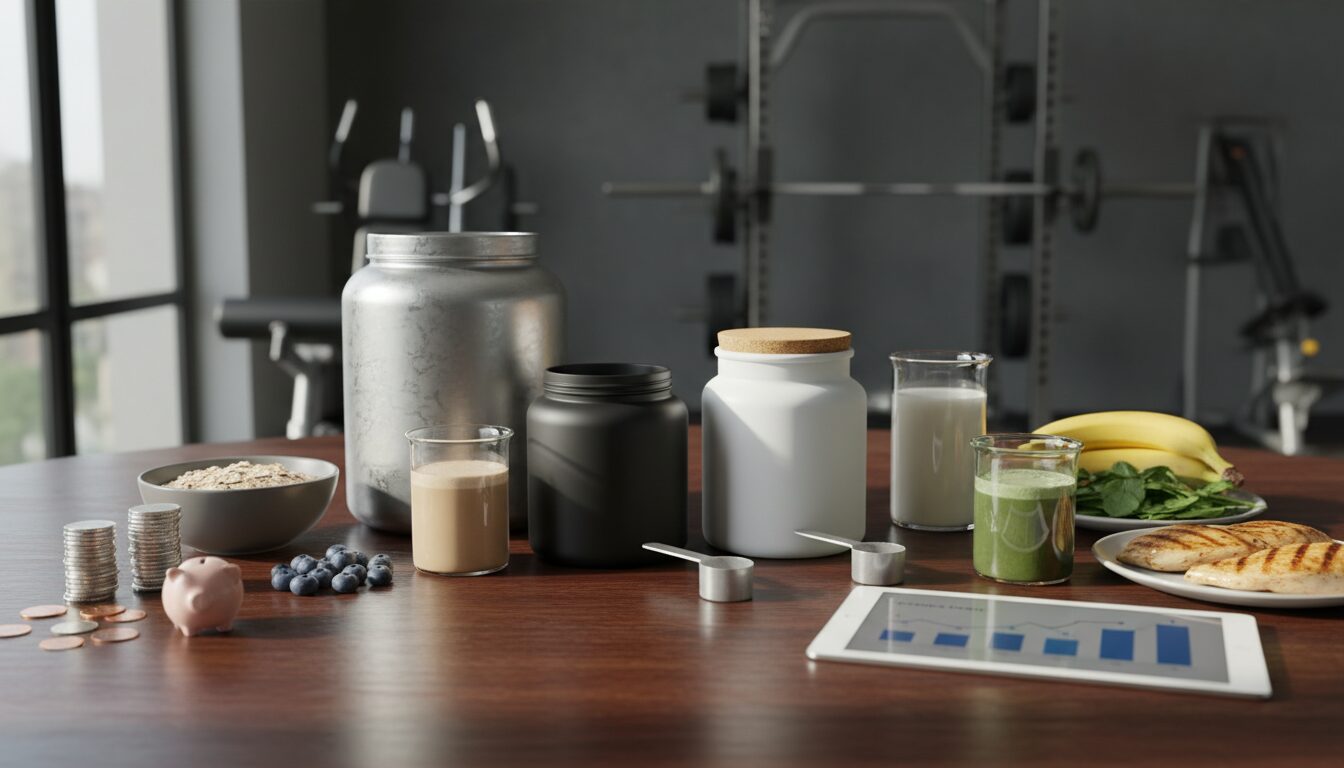
Protein supplements to gain muscle work by providing concentrated amino acids that support muscle protein synthesis when combined with resistance training. The most effective options include whey protein for fast absorption, casein for sustained release, and plant-based alternatives that match animal proteins in muscle-building effectiveness.
Understanding Protein Supplements for Muscle Growth
The best protein supplements to gain muscle provide 20-25 grams of high-quality protein per serving with a complete amino acid profile, particularly rich in leucine. Muscle protein synthesis requires adequate amino acid availability, especially during the 3-4 hour window following resistance exercise.
Protein quality depends on amino acid completeness and absorption rate. The Protein Digestibility Corrected Amino Acid Score (PDCAAS) and newer Digestible Indispensable Amino Acid Score (DIAAS) measure these factors. Animal-based proteins typically score highest, though properly combined plant proteins achieve similar effectiveness. For comprehensive guidance on how protein fits into an overall athletic nutrition strategy, our complete nutrition guide for athletes provides detailed information on performance foods and meal timing.
Research from the International Society of Sports Nutrition demonstrates that protein supplementation combined with resistance training increases lean body mass by 0.3-0.5 kg compared to training alone over 6-12 week periods.
Key Takeaway: Effective muscle-building protein supplements must provide complete amino acid profiles with rapid bioavailability to maximize the muscle protein synthesis window following exercise.
Top Protein Supplement Types for Muscle Gain
Whey Protein Concentrates and Isolates
Whey protein ranks as the best protein supplement for muscle gain due to its rapid absorption rate and high leucine content (2.5-3g per 25g serving). This fast-digesting protein reaches peak blood amino acid levels within 60-90 minutes post-consumption.
Whey concentrate contains 70-80% protein with some lactose and fat, while whey isolate provides 90%+ protein with minimal carbohydrates and lactose. Both forms work effectively for muscle building, but isolate may be preferable for those with lactose sensitivity. When paired with a structured strength training program, whey protein supplementation can significantly enhance muscle protein synthesis rates and support progressive overload training.
For optimal post-workout recovery, combining whey protein with proper nutrition timing creates a synergistic effect. Understanding nutrition timing for muscle recovery helps maximize the benefits of your protein supplement investment by optimizing when and how you consume these nutrients around your training sessions.
Casein Protein for Sustained Release
Casein protein provides sustained amino acid release over 6-8 hours, making it ideal for overnight muscle recovery and preventing muscle breakdown during extended fasting periods.
This slow-digesting protein forms a gel-like substance in the stomach, creating a steady trickle of amino acids into the bloodstream. Studies show casein consumption before bed can increase overnight muscle protein synthesis by 22% compared to placebo groups.
Plant-Based Protein Alternatives
Plant-based protein blends combining pea, rice, and hemp proteins can match whey protein’s muscle-building effectiveness when providing complete amino acid profiles.
Single plant proteins often lack one or more essential amino acids, but strategic combinations create complete profiles. Pea protein provides high lysine content, while rice protein offers abundant methionine, creating synergistic amino acid complementarity.
Optimal Timing and Dosing Strategies
Consuming 20-25g of protein within 30-60 minutes post-workout maximizes muscle protein synthesis, while spreading total daily protein intake across 4-6 meals optimizes amino acid availability.
The “anabolic window” extends 3-4 hours post-exercise, but earlier consumption provides greater benefits. Pre-workout protein (10-15g) can also enhance amino acid availability during training.
Gender-Specific Considerations
Women typically require 15-20g protein per serving for optimal muscle protein synthesis, while men benefit from 20-25g servings due to higher muscle mass and different hormonal profiles.
Female athletes may respond better to leucine-enriched formulas (3+ grams per serving) to overcome lower baseline muscle protein synthesis rates compared to men.
Budget-Friendly Options and Cost Analysis
Calculate cost per gram of protein rather than price per container to identify true value, with bulk whey concentrate typically offering the best cost-effectiveness at $0.03-0.05 per gram.
Generic brands often match name-brand quality at 30-50% lower costs. Third-party testing certifications ensure product purity regardless of brand recognition.
Safety and Side Effect Prevention
Most protein supplements are safe for healthy individuals, but excessive intake (>2.5g per kg body weight) may stress kidney function in susceptible individuals.
Common side effects include digestive discomfort, bloating, and gas, particularly with lactose-containing products. Gradually increasing doses allows digestive adaptation.
DIY Alternatives and Whole Food Options
Greek yogurt (20g protein per cup), cottage cheese (25g per cup), and eggs (6g per egg) provide complete proteins at comparable or lower costs than supplements.
Homemade protein smoothies combining milk, Greek yogurt, and nut butter can deliver 30+ grams of high-quality protein for muscle building. For those looking to maintain consistency in their approach, learning science-backed habits for sustainable fitness routines helps ensure both protein intake and training remain consistent over time.
Frequently Asked Questions
How much protein do I need daily for muscle gain?
Active individuals building muscle need 1.6-2.2g protein per kg body weight daily (0.7-1.0g per pound), with higher amounts beneficial during caloric restriction or intense training phases.
Is whey protein better than plant protein for muscle building?
Whey protein has slight advantages in leucine content and absorption speed, but plant protein blends with complete amino acid profiles produce similar muscle-building results in research studies.
When should I take protein supplements for maximum muscle growth?
Consume protein supplements within 1-2 hours post-workout and consider casein protein before bed for overnight recovery, while spreading total daily intake evenly across meals.
Can I build muscle with protein powder alone?
Protein powder supports muscle building but requires resistance training, adequate calories, and complete nutrition including carbohydrates and fats for optimal results.
Do women need different protein supplements than men?
Women can use the same protein supplements as men but may benefit from smaller serving sizes (15-20g vs 20-25g) and leucine-enriched formulas to optimize muscle protein synthesis.
Are expensive protein powders worth the extra cost?
Premium pricing often reflects marketing rather than superior effectiveness, with third-party tested generic brands typically providing equal muscle-building benefits at lower costs.
How long does it take to see results from protein supplements?
Combined with consistent resistance training, protein supplements can show initial strength gains in 2-4 weeks, with visible muscle growth typically appearing after 6-8 weeks of consistent use.