Table of Contents
- Understanding Athletic Nutrition Fundamentals
- Best Foods for Athletes Performance: Macronutrient Powerhouses
- Carbohydrate Champions
- Protein Powerhouses
- Essential Fats
- The 5 Importance of Nutrition to Athletes
- Nutrition Timing Strategies for Different Training Phases
- Pre-Exercise Fueling
- During-Exercise Nutrition
- Post-Exercise Recovery
- Periodized Nutrition
- Plant-Based Nutrition Protocols for Different Sports
- Endurance Sports Protocols
- Strength Sports Adaptations
- Budget-Friendly Meal Prep for Student Athletes
- Cost-Effective Protein Sources
- Bulk Preparation Strategies
- Dormitory-Friendly Options
- Nutrition Adjustments for Injured Athletes
- Anti-Inflammatory Nutrition
- Caloric Adjustments
- Micronutrient Deficiency Testing and Supplementation
- Common Athletic Deficiencies
- Testing Protocols
- Supplementation Guidelines
- Sample 7 Day Meal Plan for Athletes
- Day 1 Sample Menu
- Weekly Variation Strategies
- Hydration and Electrolyte Management
- Electrolyte Requirements
- Competition Day Nutrition Strategies
- Event-Specific Strategies
- Supplements: Evidence-Based Recommendations
- Frequently Asked Questions
- What should athletes eat before morning workouts?
- How much protein do strength athletes need daily?
- Can athletes follow ketogenic diets successfully?
- When should athletes take supplements?
- How do nutrition needs change with age for masters athletes?
- What foods should athletes avoid completely?
- How can vegetarian athletes ensure adequate iron intake?
- Should athletes eat differently during off-season?
Nutrition for athletes is the strategic consumption of macronutrients, micronutrients, and fluids timed around training and competition to optimize performance, enhance recovery, and maintain long-term health. Unlike general nutrition guidelines, athletic nutrition requires precise timing, higher caloric demands, and sport-specific adaptations to fuel peak performance.
Understanding Athletic Nutrition Fundamentals
Athletic nutrition differs significantly from general dietary recommendations because athletes have elevated energy expenditure, increased nutrient turnover, and specific timing requirements around training sessions. Your nutritional needs vary based on training intensity, sport type, body composition goals, and competition schedule.
The foundation of performance nutrition for athletes rests on three pillars: adequate energy intake, optimal macronutrient distribution, and strategic nutrient timing. Research from the International Society of Sports Nutrition demonstrates that athletes require 1.5-2.5 times more calories than sedentary individuals, with endurance athletes often needing 3,000-5,000 calories daily.
Your metabolic demands increase dramatically during training periods. Protein requirements jump to 1.2-2.0 grams per kilogram of body weight, compared to 0.8 grams for non-athletes. Carbohydrate needs range from 3-12 grams per kilogram depending on training volume, while fat should comprise 20-35% of total calories.
Best Foods for Athletes Performance: Macronutrient Powerhouses
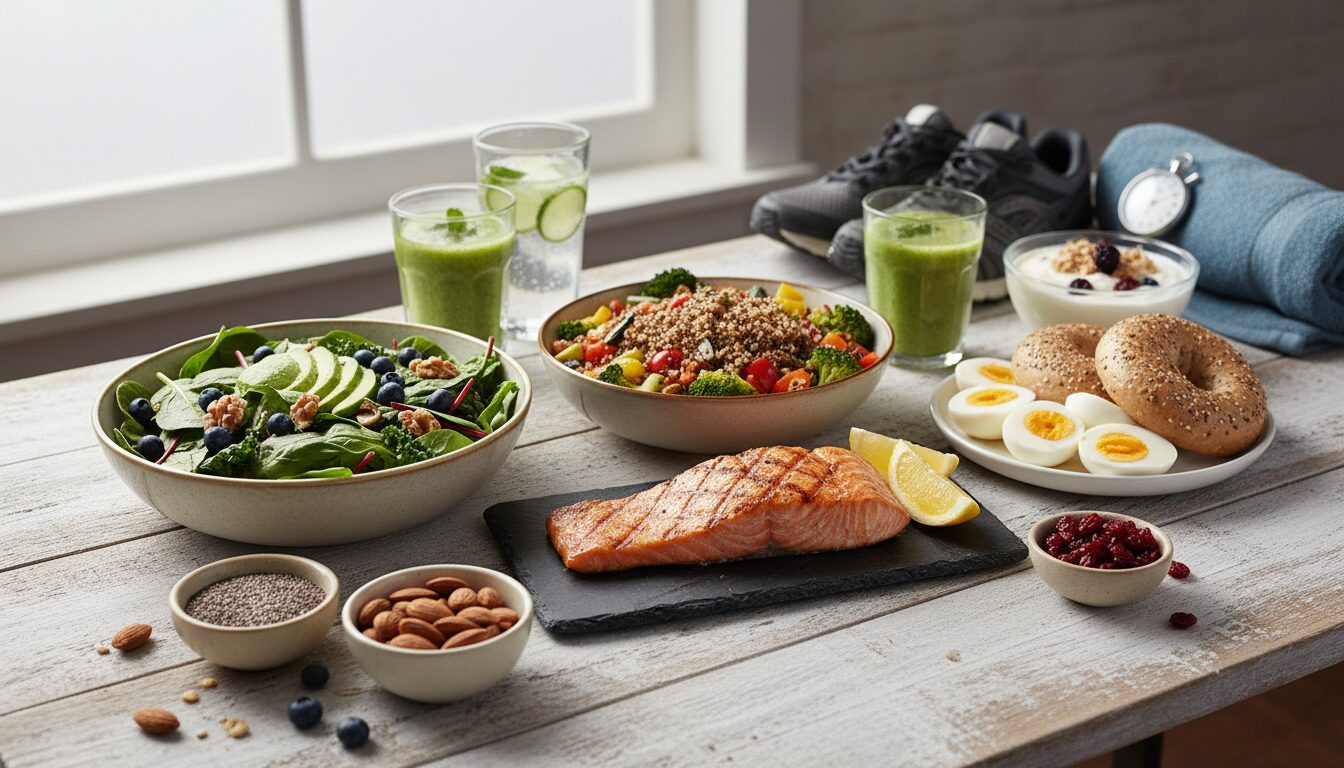
The best foods for athletes performance include complex carbohydrates for sustained energy, lean proteins for muscle maintenance, and healthy fats for hormone production and inflammation control. Focus on nutrient-dense whole foods that provide multiple vitamins and minerals alongside macronutrients.
Carbohydrate Champions
Oats, quinoa, sweet potatoes, and brown rice provide sustained glucose release for endurance activities. These complex carbohydrates maintain stable blood sugar levels during extended training sessions. Fruits like bananas, dates, and berries offer quick-digesting sugars ideal for pre-workout fuel or mid-exercise refueling.
Protein Powerhouses
Lean meats, fish, eggs, Greek yogurt, and legumes supply complete amino acid profiles necessary for muscle protein synthesis. Aim for 20-30 grams of high-quality protein within two hours post-exercise to maximize recovery adaptations.
Essential Fats
Avocados, nuts, seeds, olive oil, and fatty fish provide omega-3 fatty acids that reduce exercise-induced inflammation. These healthy fats support hormone production, including testosterone and growth hormone, crucial for adaptation and recovery.
The 5 Importance of Nutrition to Athletes
The 5 importance of nutrition to athletes encompasses energy provision, recovery enhancement, injury prevention, immune system support, and body composition optimization. Each element directly impacts your ability to train consistently and compete at your highest level.
-
Energy System Fueling: Proper carbohydrate intake maintains muscle glycogen stores, preventing premature fatigue during high-intensity efforts. Depleted glycogen stores can reduce power output by 20-30% within the first hour of exercise.
-
Enhanced Recovery: Strategic protein timing accelerates muscle protein synthesis and reduces muscle protein breakdown. This faster recovery allows for higher training volumes and reduced injury risk.
-
Injury Prevention: Adequate calcium, vitamin D, and protein intake maintains bone density and connective tissue strength. The American College of Sports Medicine reports that proper nutrition can reduce stress fracture risk by up to 60%.
-
Immune Function: Intense training suppresses immune function for 3-72 hours post-exercise. Antioxidant-rich foods and adequate carbohydrate intake help maintain immune system integrity during heavy training periods.
-
Body Composition: Precise caloric intake and macronutrient timing allow you to maintain or build lean muscle mass while optimizing power-to-weight ratios for your sport.
Nutrition Timing Strategies for Different Training Phases
Nutrition timing involves strategically consuming specific nutrients before, during, and after exercise to maximize performance gains and recovery adaptations. Your timing strategy should align with training intensity, duration, and specific adaptation goals.
Pre-Exercise Fueling
Consume 1-4 grams of carbohydrates per kilogram of body weight 1-4 hours before exercise. For early morning training, focus on easily digestible options like bananas with honey or oatmeal with berries. Avoid high-fiber or high-fat foods within two hours of training to prevent gastrointestinal distress.
During-Exercise Nutrition
For sessions exceeding 60-90 minutes, consume 30-60 grams of carbohydrates hourly through sports drinks, gels, or whole foods like dates. Endurance athletes may benefit from consuming up to 90 grams per hour using multiple carbohydrate sources (glucose and fructose).
Post-Exercise Recovery
The golden window for recovery nutrition extends 2-6 hours post-exercise, not the previously believed 30-minute window. Consume a 3:1 or 4:1 ratio of carbohydrates to protein to replenish glycogen stores and stimulate muscle protein synthesis.
Periodized Nutrition
Align your nutrition with training periodization. During base building phases, emphasize consistent energy availability. In competition phases, practice race-day nutrition strategies. Recovery phases allow for dietary variety and social eating while maintaining adequate protein intake.
Plant-Based Nutrition Protocols for Different Sports
Plant-based athletes can achieve optimal performance through strategic food combining, supplement protocols, and increased caloric density to meet elevated energy demands. Successful plant-based nutrition requires attention to vitamin B12, iron, zinc, and complete protein sources.
Endurance Sports Protocols
Endurance athletes thrive on plant-based diets due to higher carbohydrate availability and anti-inflammatory compounds. Focus on quinoa, buckwheat, and amaranth for complete proteins. Combine legumes with grains throughout the day to ensure amino acid completeness.
Incorporate iron-rich foods like spinach, lentils, and pumpkin seeds with vitamin C sources to enhance absorption. The Journal of the International Society of Sports Nutrition reports that plant-based endurance athletes show improved VO2 max and reduced inflammation markers.
Strength Sports Adaptations
Strength and power athletes require higher protein concentrations, achievable through protein powders, tempeh, and seitan. Aim for 2.0-2.2 grams per kilogram body weight, distributed across 4-6 meals daily.
Creatine supplementation becomes essential for plant-based strength athletes, as dietary creatine comes primarily from animal products. Take 3-5 grams daily to maintain muscle creatine stores necessary for high-intensity, short-duration efforts.
Budget-Friendly Meal Prep for Student Athletes
Student athletes can maintain optimal nutrition on limited budgets through bulk cooking, seasonal produce selection, and strategic protein sources like eggs, canned fish, and dried legumes. Meal preparation reduces both costs and time constraints common in academic schedules.
Cost-Effective Protein Sources
Eggs provide the highest biological value protein at approximately $0.20 per serving. Canned tuna, salmon, and sardines offer omega-3 fatty acids and complete proteins for under $1.50 per serving. Dried beans and lentils cost less than $0.30 per serving while providing protein, fiber, and complex carbohydrates.
Bulk Preparation Strategies
Cook large batches of rice, quinoa, and oatmeal on Sundays for week-long meal bases. Prepare protein sources in bulk: bake chicken breasts, hard-boil eggs, and cook dried beans in slow cookers. Frozen vegetables maintain nutritional value while reducing spoilage costs.
Dormitory-Friendly Options
Rice cookers, slow cookers, and mini-refrigerators enable nutritious meal preparation in limited spaces. Focus on one-pot meals combining protein, carbohydrates, and vegetables. Examples include bean and rice bowls, overnight oats with protein powder, and tuna and quinoa salads.
Nutrition Adjustments for Injured Athletes
Injured athletes require modified nutrition protocols emphasizing anti-inflammatory foods, maintained protein intake, and adjusted caloric consumption to support healing while preventing excessive weight gain during reduced activity. Recovery nutrition becomes paramount during injury rehabilitation.
Protein requirements actually increase during injury recovery to 1.6-2.5 grams per kilogram body weight to support tissue repair and prevent muscle atrophy. Maintain this elevated intake even with reduced training volumes. Research from Sports Medicine shows that adequate protein during immobilization can reduce muscle loss by up to 50%.
Anti-Inflammatory Nutrition
Emphasize omega-3 fatty acids through fatty fish, walnuts, and flaxseeds to reduce inflammatory markers. Colorful fruits and vegetables provide antioxidants that combat exercise-induced oxidative stress. Tart cherry juice has shown promise in reducing inflammation and improving sleep quality during recovery.
Caloric Adjustments
Reduce total calories by 200-400 per day to account for decreased energy expenditure while maintaining nutrient density. Focus on nutrient-dense foods rather than empty calories to support healing processes. Monitor body composition changes to fine-tune caloric intake.
Micronutrient Deficiency Testing and Supplementation
Athletes should undergo annual micronutrient testing to identify potential deficiencies in iron, vitamin D, B vitamins, and magnesium that commonly occur due to increased turnover and inadequate dietary intake. Strategic supplementation can address deficiencies that significantly impact performance.
Common Athletic Deficiencies
Iron deficiency affects 15-35% of female athletes and 3-11% of male athletes, leading to reduced oxygen carrying capacity and decreased endurance performance. Vitamin D deficiency, found in up to 40% of athletes, impairs bone health and muscle function.
Magnesium deficiency occurs frequently in endurance athletes due to sweat losses, potentially causing muscle cramps and impaired energy metabolism. B vitamin deficiencies, particularly B12 in plant-based athletes, can compromise energy production and red blood cell formation.
Testing Protocols
Annual comprehensive metabolic panels should include complete blood count, iron studies (ferritin, transferrin saturation), 25-hydroxy vitamin D, magnesium, and B vitamin levels. The International Olympic Committee recommends sport-specific testing based on training environment and dietary patterns.
Supplementation Guidelines
Supplement only identified deficiencies rather than using broad-spectrum multivitamins. Iron supplementation should occur only with confirmed deficiency due to potential toxicity. Vitamin D supplementation of 1000-2000 IU daily maintains optimal levels in most athletes.
Sample 7 Day Meal Plan for Athletes
A well-structured 7 day meal plan for athletes pdf should provide 3,000-4,000 calories daily with 55-65% carbohydrates, 15-20% protein, and 20-30% fat, distributed across 5-6 meals to optimize nutrient timing and satiety. This sample plan serves a 70kg endurance athlete during moderate training periods.
Day 1 Sample Menu
Breakfast (700 calories): Oatmeal with banana, berries, almonds, and protein powder
Mid-Morning (200 calories): Greek yogurt with honey
Lunch (800 calories): Quinoa bowl with grilled chicken, roasted vegetables, and avocado
Pre-Workout (150 calories): Banana with almond butter
Post-Workout (300 calories): Chocolate milk and protein bar
Dinner (900 calories): Salmon, sweet potato, and steamed broccoli with olive oil
Evening (200 calories): Cottage cheese with berries
Weekly Variation Strategies
Rotate protein sources daily: fish, poultry, lean meats, eggs, and plant-based options. Vary carbohydrate sources between rice, quinoa, oats, potatoes, and pasta. Include different colored fruits and vegetables to ensure diverse micronutrient intake.
Adjust portion sizes based on training intensity: increase carbohydrates on high-volume days and maintain consistent protein intake throughout the week. Heavy training days may require an additional 300-500 calories primarily from carbohydrate sources.
Hydration and Electrolyte Management
Proper hydration involves consuming 16-24 ounces of fluid for every pound lost during exercise, with electrolyte replacement necessary for sessions exceeding two hours or in hot environments. Dehydration of just 2% body weight can decrease performance by 10-15%.
Monitor hydration status through urine color (pale yellow indicates adequate hydration) and body weight changes before and after training. Pre-exercise hydration should begin 2-3 hours before training with 16-20 ounces of fluid, followed by 6-12 ounces every 15-20 minutes during exercise.
Electrolyte Requirements
Sodium needs range from 200-700mg per hour during prolonged exercise, particularly in hot climates or for heavy sweaters. Potassium requirements increase to 150-300mg per hour during extended sessions. Natural options include coconut water, which provides potassium, and adding a pinch of sea salt to water for sodium replacement.
Competition Day Nutrition Strategies
Competition day nutrition should follow practiced protocols emphasizing familiar foods, optimal timing, and strategic fueling to maintain blood glucose stability and prevent gastrointestinal distress. Never experiment with new foods or timing on competition day.
Begin carbohydrate loading 3-4 days before endurance events longer than 90 minutes. Consume your pre-competition meal 3-4 hours before start time, focusing on easily digestible carbohydrates with minimal fiber and fat. Examples include white rice with honey, bananas, or sports drinks.
Event-Specific Strategies
Team sport athletes benefit from consuming 30-60g carbohydrates during halftime or breaks. Endurance athletes should practice fueling strategies during training, aiming for 30-90g carbohydrates per hour depending on event duration and intensity.
Post-competition recovery follows the same principles as training recovery: prioritize carbohydrate replenishment and protein intake within the first few hours after competition.
Supplements: Evidence-Based Recommendations
Evidence-based supplements for athletes include creatine monohydrate, caffeine, beta-alanine, and nitrates, while most other supplements lack sufficient research support for performance enhancement. Focus on optimizing whole food intake before considering supplementation.
Creatine monohydrate improves high-intensity, short-duration performance by 5-15% when taken at 3-5 grams daily. Caffeine enhances endurance performance and reduces perceived exertion when consumed 30-60 minutes pre-exercise at 3-6mg per kilogram body weight.
Beta-alanine supplementation (3-5 grams daily for 4-6 weeks) improves performance in events lasting 1-4 minutes by buffering muscle acidosis. Nitrate supplementation through beetroot juice may improve endurance performance by enhancing oxygen efficiency.
Frequently Asked Questions
What should athletes eat before morning workouts?
Consume easily digestible carbohydrates like bananas, toast with honey, or sports drinks 30-60 minutes before early training. If time is limited, liquid carbohydrates digest faster than solid foods.
How much protein do strength athletes need daily?
Strength athletes require 1.6-2.2 grams of protein per kilogram of body weight daily, distributed across multiple meals to optimize muscle protein synthesis throughout the day.
Can athletes follow ketogenic diets successfully?
While some endurance athletes adapt to ketogenic diets, most sports requiring high-intensity efforts benefit from adequate carbohydrate intake for optimal glycogen stores and performance.
When should athletes take supplements?
Focus on whole foods first, then consider evidence-based supplements like creatine or caffeine only after establishing consistent nutrition habits and identifying specific performance goals.
How do nutrition needs change with age for masters athletes?
Masters athletes may require slightly higher protein intake (1.2-1.6g/kg) and additional attention to calcium and vitamin D for bone health, while maintaining similar carbohydrate and fat recommendations.
What foods should athletes avoid completely?
No foods are completely off-limits, but minimize highly processed foods, excessive alcohol, and foods that cause individual gastrointestinal distress, especially around training and competition.
How can vegetarian athletes ensure adequate iron intake?
Combine iron-rich plant foods with vitamin C sources, cook in cast iron pans, and consider iron testing to monitor status, as plant-based iron has lower bioavailability than heme iron.
Should athletes eat differently during off-season?
Maintain adequate protein intake year-round while allowing some flexibility in total calories and food choices during reduced training periods, focusing on overall health and enjoyment.
Optimal nutrition for athletes requires individualized approaches based on sport demands, training phases, and personal preferences. Consistency with whole foods, strategic timing, and adequate hydration form the foundation of any successful athletic nutrition program. Work with qualified sports nutritionists to develop personalized protocols that support your specific performance and health goals.
Frequently Asked Questions
What is the most important aspect of nutrition for athletes?
Proper timing and macronutrient balance is the most crucial aspect of nutrition for athletes. Athletes need adequate carbohydrates for energy (45-65% of calories), protein for muscle repair (1.2-2.0g per kg body weight), and healthy fats for hormone production, all consumed at optimal times around training sessions.
What are the best foods for athletes performance during training?
Complex carbohydrates, lean proteins, and nutrient-dense whole foods optimize athletic performance. Top choices include oats, quinoa, sweet potatoes, salmon, Greek yogurt, eggs, berries, and leafy greens. These foods provide sustained energy, support muscle recovery, and deliver essential vitamins and minerals for peak performance.
How does performance nutrition for athletes differ from regular nutrition?
Athletes require 20-50% more calories and strategic nutrient timing compared to sedentary individuals. Performance nutrition emphasizes higher protein intake (up to 2g per kg body weight), increased carbohydrate consumption around workouts, enhanced hydration needs (up to 3-4 liters daily), and specific supplementation for recovery and adaptation.
Why should athletes focus on post-workout nutrition timing?
The 30-60 minute post-exercise window maximizes muscle protein synthesis and glycogen replenishment. During this period, athletes should consume a 3:1 or 4:1 carbohydrate-to-protein ratio to optimize recovery, reduce muscle breakdown, and enhance training adaptations for subsequent performance sessions.
What are 5 key importance of nutrition to athletes performance?
Energy production, muscle recovery, injury prevention, immune support, and cognitive function are the five critical benefits. Proper nutrition fuels workouts, accelerates tissue repair, strengthens bones and connective tissue, maintains immune health during intense training, and supports mental focus and decision-making during competition.
How much protein do endurance athletes need daily?
Endurance athletes require 1.2-1.4 grams of protein per kilogram of body weight daily. This amounts to approximately 84-98 grams for a 70kg athlete. Higher intake (up to 1.6g/kg) may benefit those training over 20 hours weekly or during periods of increased training volume and intensity.
What should athletes eat before early morning workouts?
Easily digestible carbohydrates consumed 30-60 minutes pre-workout are optimal for early training sessions. Best options include banana with honey, toast with jam, or sports drinks providing 15-30g carbohydrates. Avoid high-fiber, fat, or protein foods that may cause digestive discomfort during exercise.
How does hydration affect athletic performance and recovery?
Even 2% dehydration can reduce performance by 10-15% and significantly impair recovery. Proper hydration maintains blood volume, regulates body temperature, transports nutrients, and removes metabolic waste. Athletes should consume 500-750ml fluid 2-3 hours before exercise and 150-250ml every 15-20 minutes during activity.