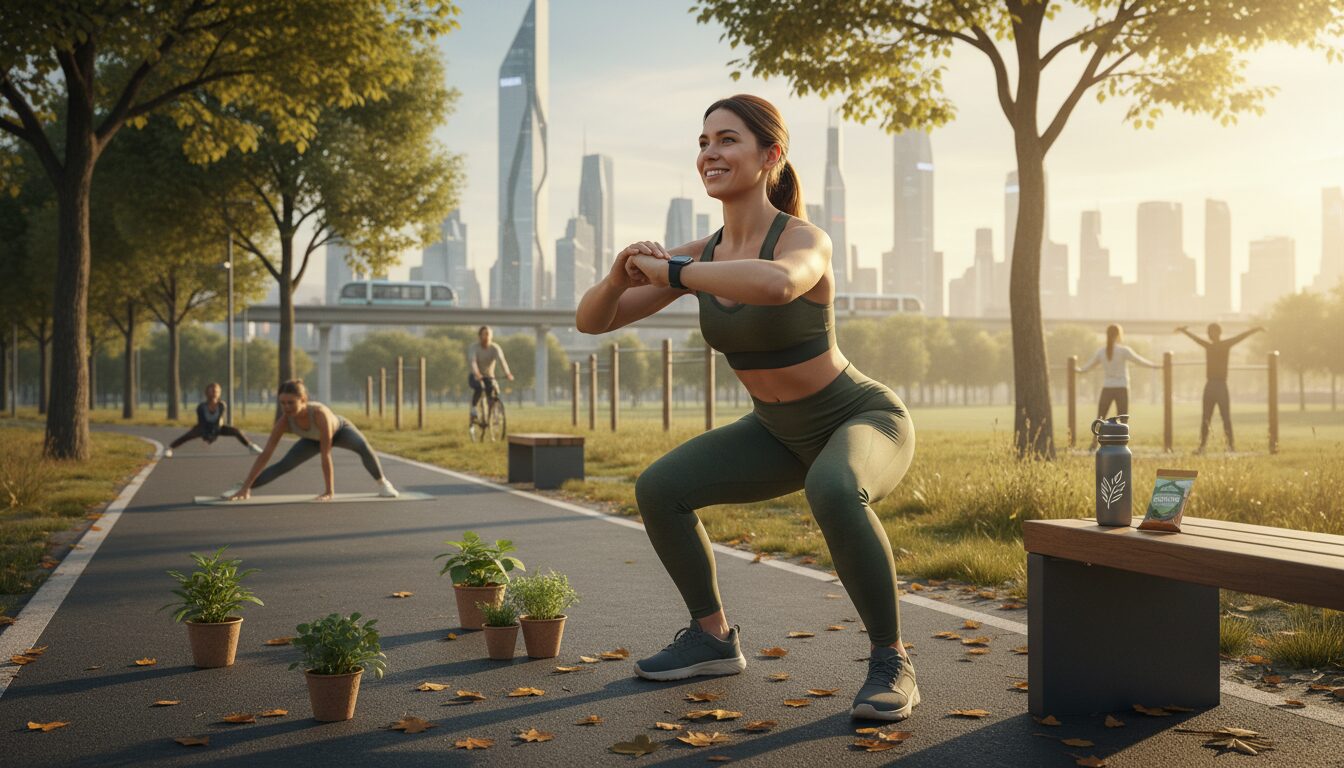
Starting a fitness journey can feel overwhelming, especially with the constant influx of trendy workout programs and conflicting health advice flooding social media in 2026. However, the key to long-term success isn’t following the latest fad—it’s building a sustainable routine that fits seamlessly into your lifestyle. This comprehensive guide will help you establish healthy habits that last, not just through January, but throughout the entire year and beyond.
Table of Contents
- Why Sustainability Matters More Than Ever in 2026
- Assess Your Current Fitness Level
- Define Your Realistic Goals
- Choose Activities You Actually Enjoy
- Create a Realistic Weekly Schedule
- Invest in Proper Nutrition Habits
- Track Progress Beyond the Scale
- Overcome Common Obstacles
- Make It a Sustainable Lifestyle
- Conclusion
Why Sustainability Matters More Than Ever in 2026
The fitness landscape has evolved significantly by 2026. We’ve moved away from extreme dieting and intense boot camp mentalities toward a more holistic approach to wellness. Research shows that sustainable fitness routines lead to better adherence rates, improved mental health, and more consistent results compared to crash fitness programs.
The difference between a sustainable routine and a temporary one comes down to three factors: realistic expectations, enjoyment, and consistency. When you create a fitness plan that aligns with your actual lifestyle rather than an idealized version of yourself, you’re far more likely to stick with it.
Assess Your Current Fitness Level
Understanding Your Starting Point
Before jumping into any fitness program in 2026, honestly evaluate where you are right now. This isn’t about judgment—it’s about creating a baseline for progress. Consider these factors:
- Your current activity level (sedentary, lightly active, moderately active)
- Any existing health conditions or injuries
- Your energy levels throughout the day
- Your schedule and available time for exercise
- Your access to fitness facilities or equipment
The Importance of Medical Clearance
If you’ve been inactive for an extended period or have underlying health concerns, consult with your healthcare provider before starting any new fitness routine. This simple step can prevent injuries and ensure your program is appropriate for your individual needs.
Define Your Realistic Goals
Setting SMART Fitness Objectives
Vague goals like “get fit” rarely lead to success. Instead, follow the SMART framework:
- Specific: What exactly do you want to achieve?
- Measurable: How will you track progress?
- Achievable: Is this realistic given your current situation?
- Relevant: Does this goal matter to you personally?
- Time-bound: When do you want to achieve this?
For example, instead of “lose weight,” aim for “walk 30 minutes, five days per week for three months.” This clarity provides direction and motivation.
Short-Term vs. Long-Term Goals
Establish both immediate goals (achievable within 4-8 weeks) and long-term objectives (6-12 months). Short-term wins build momentum and confidence, while long-term goals provide overall direction for your fitness journey.
Choose Activities You Actually Enjoy
The Enjoyment Factor
This cannot be overstated: if you don’t enjoy your fitness activities, you won’t maintain them. The best workout in 2026 is the one you’ll actually do. Explore various options:
- Walking or hiking
- Swimming or water aerobics
- Cycling or stationary biking
- Dancing or group fitness classes
- Yoga or Pilates
- Strength training
- Sports or recreational activities
- Online fitness programs
Finding Your Fitness Community
Many people find success by joining a fitness community, whether online or in-person. Group classes, workout buddies, or online fitness communities provide accountability, motivation, and social connection—all factors that enhance sustainability.
Create a Realistic Weekly Schedule
Starting Small is Strategic
One of the biggest mistakes beginners make is doing too much too soon. Rather than committing to daily workouts, start with 3-4 days per week. This allows for recovery, prevents burnout, and makes the habit easier to establish.
A sustainable beginner schedule might look like:
- Monday: 30-minute walk or light cardio
- Wednesday: 20-minute strength training or bodyweight exercises
- Friday: 30-minute activity you enjoy (yoga, cycling, dancing)
- Sunday: 20-30 minute leisurely activity (hiking, swimming)
Building Progressive Overload
As your fitness improves, gradually increase intensity or duration. This might mean adding 5 minutes to your walks, increasing weight in strength training, or adding an extra workout day. Progressive overload keeps your routine challenging and prevents plateaus.
Invest in Proper Nutrition Habits
Fueling Your Body Appropriately
Fitness and nutrition work together. You don’t need extreme dietary changes, but rather sustainable adjustments:
- Increase water intake throughout the day
- Include protein with each meal
- Add more vegetables and whole grains
- Practice portion awareness without restrictive dieting
- Plan simple, nutritious meals ahead of time
Avoiding the All-or-Nothing Mentality
In 2026, the wellness community increasingly recognizes that sustainable nutrition means flexibility. You can enjoy treats while maintaining healthy habits. The goal is balance, not perfection.
Track Progress Beyond the Scale
Measuring Success Holistically
Weight is just one metric, and often not the most meaningful. Track progress through:
- Increased energy levels
- Improved sleep quality
- Enhanced mood and mental clarity
- Increased strength and endurance
- How your clothes fit
- Consistency with your routine
- Improved flexibility or mobility
Using Technology Wisely
Fitness apps and wearables can provide helpful data, but don’t become obsessed with metrics. Use technology as a tool for motivation, not a source of stress.
Overcome Common Obstacles
Dealing with Motivation Fluctuations
Motivation naturally ebbs and flows. Build discipline and habit instead. After about 8-12 weeks of consistency, exercise becomes more automatic, requiring less willpower.
Managing Time Constraints
If you’re busy, shorter workouts are better than no workouts. Even 15-20 minutes of intentional exercise provides benefits. Combine fitness with other activities—walk while taking calls, do stretching while watching TV, or involve family members.
Handling Setbacks
Missing workouts or deviating from your plan happens to everyone. The key is not letting a single missed workout become a reason to abandon your routine. Practice self-compassion and simply return to your schedule the next day.
Make It a Sustainable Lifestyle
Integrating Fitness Into Daily Life
True sustainability means fitness becomes part of your identity and lifestyle, not a separate obligation. Look for ways to move more throughout your day: take stairs, park farther away, stand while working, or do quick stretching sessions.
Regular Assessment and Adjustment
Every 4-6 weeks, evaluate what’s working and what isn’t. Be willing to adjust your routine based on your evolving preferences, schedule, and fitness level. Flexibility in your approach ensures long-term adherence.
Conclusion
Starting a sustainable fitness routine in 2026 is about creating habits that fit your life, not forcing your life to fit unrealistic fitness expectations. Begin with honest self-assessment, choose activities you genuinely enjoy, and commit to consistency over intensity. Remember that fitness is a lifelong journey, not a destination. By following these principles and remaining patient with yourself, you’ll build a routine that supports your health and wellbeing for years to come.
Frequently Asked Questions
How many days per week should a beginner exercise?
Start with 3 days per week, allowing rest days between sessions. As you build fitness, you can progress to 4–5 days.
What is the most important factor for a sustainable fitness routine?
Enjoyment is the #1 factor. If you dread your workouts, you won’t stick with them. Choose activities you genuinely like.
How long before I see results from my fitness routine?
Most people notice changes in energy and strength within 2–3 weeks. Visible body composition changes typically take 6–8 weeks of consistent effort.