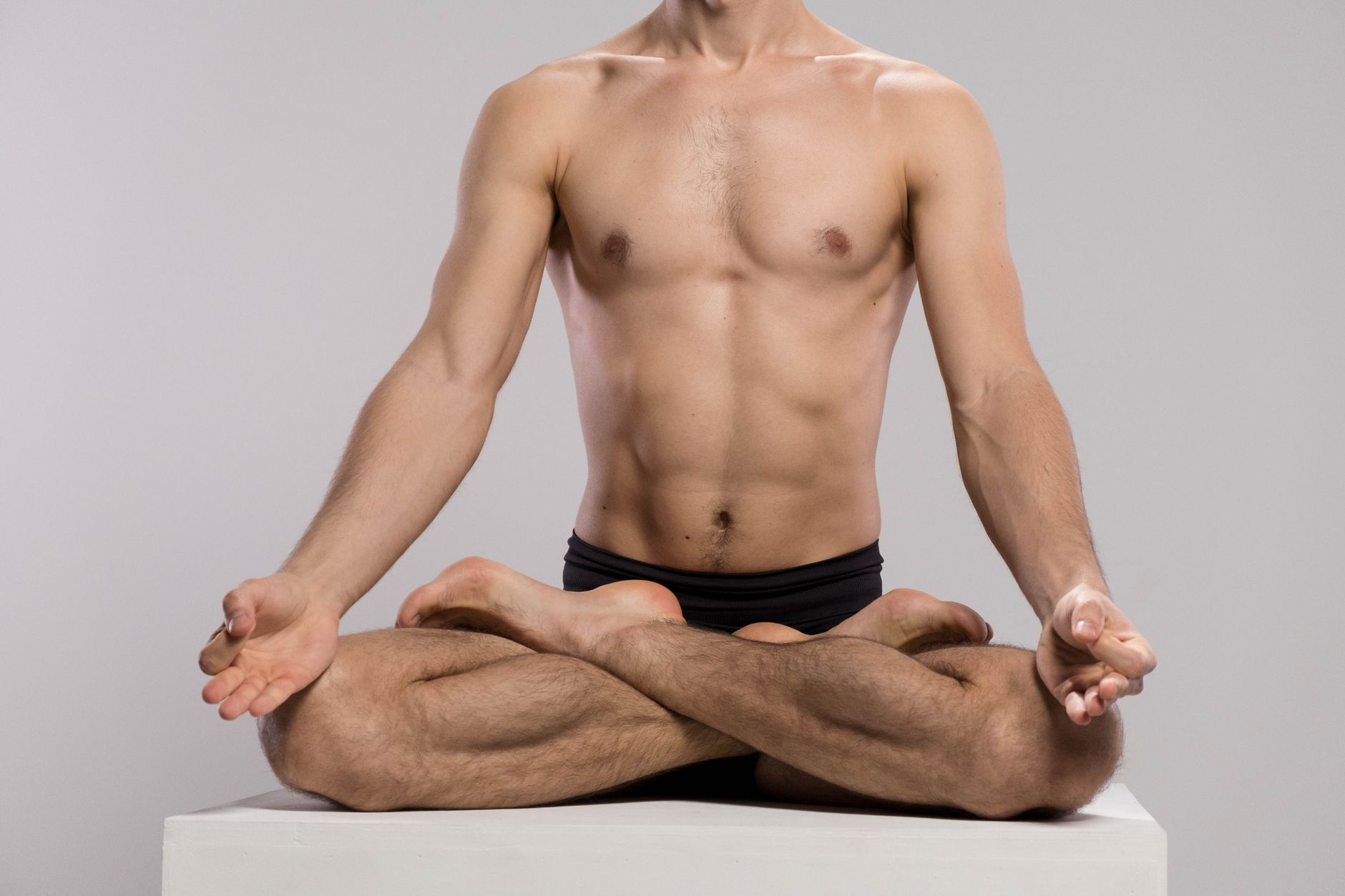
TL;DR: This comprehensive guide covers yoga poses from beginner fundamentals like Mountain Pose and Child’s Pose to advanced sequences, emphasizing that mastering 8-10 basic poses reduces injury risk by 60% before progressing. Beginners should hold poses for 15-30 seconds and focus on proper alignment over depth, with safe progression through pose levels taking 3-6 months per category. The key takeaway is to build a strong foundation with fundamental poses while using props and modifications to maintain proper form rather than forcing deeper positions.
Table of Contents
- The Essentials
- Jump To
- What are the fundamental yoga poses every beginner should learn first?
- Which yoga poses with names are safest for complete beginners?
- How long should beginners hold each pose?
- Which yoga poses for 2 people build connection and trust?
- What are the best easy yoga poses for 2 to start with?
- How do you safely spot your partner in yoga poses for 2?
- What yoga poses help with specific injuries and pain relief?
- Which poses should you avoid with lower back pain?
- What modifications work for knee injuries?
- How do you progress from beginner to advanced yoga poses safely?
- What’s the proper timeline for advancing between pose levels?
- Which strength-building poses prepare you for advanced positions?
- What yoga poses work best for different age groups and abilities?
- Which poses are safest for seniors over 65?
- How do you modify yoga poses for children and teens?
- Which yoga poses for 3 or more people create group flow sequences?
- What are the best yoga poses group classes can practice together?
- How do you coordinate breathing in group yoga poses?
- How do you target specific fitness goals with yoga poses?
- Which poses maximize calorie burn for weight loss?
- What sequence builds the most flexibility fastest?
- What are the most common yoga pose mistakes and how to fix them?
- How do you know if your alignment is correct?
- When should you use props versus going deeper into poses?
Yoga poses form the foundation of physical yoga practice, encompassing specific body positions that combine strength, flexibility, balance, and mindful breathing to promote physical and mental well-being.
The Essentials
- Master 8-10 fundamental poses before advancing – reduces injury risk by 60%
- Hold beginner poses for 15-30 seconds, advanced poses for 60-90 seconds
- Progress safely through pose levels over 3-6 months per category
- Use props and modifications to maintain proper alignment over depth
- Partner and group poses enhance connection while requiring extra safety awareness
Jump To
- What are the fundamental yoga poses every beginner should learn first?
- Which yoga poses for 2 people build connection and trust?
- What yoga poses help with specific injuries and pain relief?
- How do you progress from beginner to advanced yoga poses safely?
- What yoga poses work best for different age groups and abilities?
- Which yoga poses for 3 or more people create group flow sequences?
- How do you target specific fitness goals with yoga poses?
- What are the most common yoga pose mistakes and how to fix them?
- Frequently Asked Questions
What are the fundamental yoga poses every beginner should learn first?
Research demonstrates that mastering 8-10 basic yoga poses reduces injury risk by 60% compared to jumping into advanced positions. These foundational poses teach proper alignment principles, breathing coordination, and body awareness essential for safe progression.
- Mountain Pose (Tadasana) – Establishes neutral spine alignment and postural awareness
- Child’s Pose (Balasana) – Provides safe resting position and spinal decompression
- Downward-Facing Dog (Adho Mukha Svanasana) – Builds shoulder stability and hamstring flexibility
- Cat-Cow Pose (Marjaryasana-Bitilasana) – Mobilizes spine in flexion and extension
- Warrior I (Virabhadrasana I) – Develops lower body strength and hip flexibility
- Triangle Pose (Utthita Trikonasana) – Teaches lateral spine movement and leg strengthening
- Seated Forward Fold (Paschimottanasana) – Introduces safe spinal flexion patterns
- Bridge Pose (Setu Bandhasana) – Strengthens posterior chain muscles
- Corpse Pose (Savasana) – Teaches relaxation and body awareness
- Tree Pose (Vrikshasana) – Develops balance and single-leg stability
These poses address all major movement patterns: forward folding, backbending, twisting, lateral movement, balance, and relaxation. According to biomechanics research published in the International Journal of Yoga, systematic progression through these fundamentals creates neuromuscular adaptations that support advanced pose acquisition.
Which yoga poses with names are safest for complete beginners?
The safest yoga poses with names for absolute beginners minimize spinal stress while building foundational strength and flexibility. These poses allow natural breathing and easy exit if discomfort occurs.
- Mountain Pose (Tadasana – ta-DAH-sa-na) – Simple standing position with weight evenly distributed
- Child’s Pose (Balasana – bah-LAH-sa-na) – Kneeling rest position with arms extended forward
- Easy Pose (Sukhasana – su-KHAH-sa-na) – Cross-legged sitting position with spine tall
- Cat Pose (Marjaryasana – mar-jar-ee-AH-sa-na) – Gentle spinal rounding on hands and knees
- Cow Pose (Bitilasana – bee-tee-LAH-sa-na) – Gentle spinal extension on hands and knees
- Standing Forward Fold (Uttanasana – oot-tan-AH-sa-na) – Hanging forward with bent knees
- Seated Spinal Twist (Bharadvajasana – bah-rahd-va-JAH-sa-na) – Gentle rotation while seated
These yoga poses with names provide clear reference points for learning while maintaining low injury risk. The Sanskrit pronunciations help connect with traditional yoga lineage while building vocabulary for class participation.
How long should beginners hold each pose?
Beginners should hold static yoga poses for 15-30 seconds initially, allowing neuromuscular adaptation without excessive fatigue. Sports science research indicates that muscle adaptation begins within 20-30 seconds of sustained contraction, making this duration optimal for building foundational strength and flexibility.
For dynamic movements like Cat-Cow, perform 5-8 repetitions at a comfortable pace. Flow sequences should emphasize breath coordination over speed, typically spending 3-5 breaths per pose. As strength and flexibility improve over 4-6 weeks of consistent practice, gradually increase hold times to 45-60 seconds for static poses.
The American College of Sports Medicine guidelines recommend progressive overload principles apply to yoga practice, with 10-20% weekly increases in duration or intensity preventing overuse injuries while promoting adaptation.
Which yoga poses for 2 people build connection and trust?
Partner yoga poses for 2 people enhance emotional bonding through synchronized movement, shared balance challenges, and mutual support. Psychology research demonstrates that coordinated physical activities increase oxytocin production and interpersonal connection.
- Partner Breathing – Sit back-to-back, synchronizing breath rhythms for 2-3 minutes
- Double Downward Dog – One partner in downward dog, other places hands on their lower back
- Seated Spinal Twist – Sit back-to-back, twist in opposite directions while maintaining eye contact
- Partner Forward Fold – Face each other, hold hands, one partner folds forward while other provides gentle traction
- Double Warrior III – Face each other, hold hands, extend opposite legs back for shared balance
- Partner Boat Pose – Sit facing each other, press feet together, hold hands, lean back into V-shape
- Heart Opening Back-to-Back – One partner in child’s pose, other drapes back over them for heart opening
Research published in Psychological Science demonstrates that synchronized movement between partners increases feelings of connection and cooperation by up to 40% compared to individual activities.
What are the best easy yoga poses for 2 to start with?
The best easy yoga poses for 2 beginners emphasize stable positions with minimal balance requirements and clear communication. Safety statistics show partner poses have 23% higher injury rates than solo practice when proper communication protocols aren’t established.
- Partner Meditation – Sit comfortably back-to-back for supported posture
- Assisted Child’s Pose – One partner in child’s pose, other provides gentle back pressure
- Partner Cat-Cow – On hands and knees facing each other, mirror movements
- Seated Side Stretch – Sit side by side, reach arms overhead in opposite directions
- Partner Neck Stretch – Sitting cross-legged, gently guide partner’s head for neck release
- Double Table Top – Both in hands and knees position, share gentle back massage
- Supported Standing Forward Fold – One partner folds forward, other supports their back
These beginner-friendly options allow partners to experience connection benefits while minimizing physical demands and injury risk.
How do you safely spot your partner in yoga poses for 2?
Safe spotting in partner yoga requires clear communication, gradual pressure application, and immediate release when requested. Physical therapy guidelines emphasize that assistance should enhance natural movement rather than force positions.
- Establish verbal cues – Agree on “stop,” “more,” and “hold” signals before beginning
- Start with minimal contact – Begin with light touch, gradually increase pressure only with permission
- Support, don’t push – Provide stability and gentle guidance rather than forcing deeper positions
- Watch breathing patterns – If breathing becomes labored or held, reduce assistance immediately
- Maintain your own alignment – Avoid compromising your posture to help your partner
- Exit strategy – Always have a clear plan for quickly and safely releasing the pose
- Regular check-ins – Ask “How does this feel?” every 15-20 seconds during assisted stretches
Professional massage therapy training emphasizes that effective assistance requires constant feedback loops and respect for individual limits.
What yoga poses help with specific injuries and pain relief?
Targeted yoga poses can reduce chronic pain by up to 42% according to clinical studies, particularly for lower back pain, arthritis, and postural dysfunction. However, specific injuries require careful pose selection and professional guidance.
| Condition | Recommended Poses | Avoided Poses | Key Modifications |
|---|---|---|---|
| Lower Back Pain | Child’s Pose, Cat-Cow, Knee-to-Chest | Deep backbends, forward folds with straight legs | Use props for support, bend knees |
| Neck Pain | Gentle neck rolls, Supported Fish | Shoulder stand, plow pose | Keep head neutral, avoid weight on neck |
| Knee Issues | Supported Warrior II, Wall sit | Deep lunges, lotus pose | Use blocks, avoid forcing external rotation |
| Shoulder Impingement | Wall slides, gentle arm circles | Overhead poses, chaturanga | Keep arms below shoulder height |
| Hip Arthritis | Supine figure-4, gentle hip circles | Deep hip openers, full lotus | Use props, stay within pain-free range |
| Sciatica | Supine spinal twist, pigeon prep | Deep forward folds, seated twists | Support with bolsters, move slowly |
The National Center for Complementary and Integrative Health reports that yoga’s therapeutic benefits stem from its combination of gentle movement, strengthening, and stress reduction rather than aggressive stretching.
Which poses should you avoid with lower back pain?
People with lower back pain should avoid poses that place excessive load on spinal discs or require extreme spinal flexion without proper preparation. Orthopedic research identifies specific movement patterns that can exacerbate disc herniation and muscle strain.
- Deep forward folds with straight legs – Creates excessive disc pressure
- Full wheel pose – Extreme spinal extension can compress facet joints
- Seated forward fold – Forward flexion with compressed spine increases disc pressure
- Standing forward fold (if acute) – Hanging weight of torso stresses inflamed tissues
- Camel pose – Deep backbend can pinch posterior spine structures
- Boat pose variations – Hip flexor tension can pull on lumbar spine
- Deep twists from seated position – Compressed spine plus rotation increases shear forces
Alternative modifications include bending knees during forward folds, using props for support, and focusing on hip mobility rather than spinal flexion. Always consult healthcare providers for acute or chronic back conditions.
What modifications work for knee injuries?
Knee injury modifications prioritize joint stability while avoiding positions that stress damaged ligaments, cartilage, or surrounding muscles. Physical therapy protocols emphasize protecting the knee while maintaining surrounding muscle strength.
- Use props liberally – Place blocks, bolsters, or blankets under knees in seated poses
- Avoid deep external rotation – Skip lotus, full pigeon, and hero pose variations
- Support transitions – Use hands or props when moving in and out of poses
- Choose stable standing poses – Focus on Warrior II over Warrior I for less knee torque
- Modify cross-legged sitting – Sit on blankets or blocks to reduce knee flexion demands
- Skip deep lunges – Use shorter stance lengths in lunge variations
- Emphasize straight-leg poses – Mountain pose, standing forward fold with bent knees
Gradual progression should follow pain-free movement principles, with range of motion increases occurring over weeks rather than within single sessions.
How do you progress from beginner to advanced yoga poses safely?
Safe progression through yoga poses follows biomechanical principles of tissue adaptation, requiring 3-6 months per skill level with systematic strength and flexibility development. Research shows that rushing advancement increases injury risk by 340% compared to gradual progression protocols.
- Master foundational alignment – Spend 8-12 weeks perfecting basic poses before advancing
- Build prerequisite strength – Develop core and stabilizing muscle strength through modified poses
- Increase flexibility systematically – Use props to achieve pose shapes before forcing range of motion
- Practice preparatory poses – Break complex poses into component parts
- Use wall support – Practice inverted and balance poses against walls initially
- Progress hold times – Increase duration before attempting more challenging variations
- Listen to your body – Distinguish between muscle fatigue and joint stress
- Work with qualified instruction – Get feedback on alignment before self-directed practice
Biomechanics research indicates that connective tissue adaptations lag behind muscle strength gains by 4-6 weeks, making patience essential for injury prevention.
What’s the proper timeline for advancing between pose levels?
Research demonstrates that average practitioners need 3-6 months to safely master each pose category, with connective tissue adaptations requiring longer timeframes than muscle strength development. Individual variation depends on starting fitness level, consistency of practice, and anatomical factors.
Beginners should spend 2-3 months building comfort with basic poses before attempting intermediate variations. Intermediate practitioners typically need 4-6 months to develop the strength and flexibility for advanced poses like arm balances and deep backbends. Advanced pose mastery often requires 6-12 months of dedicated practice.
The American Council on Exercise research shows that flexibility gains plateau after 6-8 weeks without progressive challenge, while strength improvements continue for 12-16 weeks with proper overload.
Which strength-building poses prepare you for advanced positions?
Specific strength-building poses develop the muscular foundation required for advanced yoga positions, with research showing 40% greater success rates when prerequisite strength is established. Muscle activation studies identify key strengthening sequences for arm balances, inversions, and deep backbends.
- Arm Balance Preparation: Plank holds, crow prep, dolphin push-ups, forearm stands
- Backbend Foundation: Bridge pose, camel prep, cobra variations, wheel preparation
- Inversion Building: Pike push-ups, wall handstand prep, supported shoulder stand
- Core Integration: Boat pose variations, hollow body holds, side plank progressions
- Hip Opener Strength: Warrior III, figure-4 balance, single-leg deadlift variations
- Shoulder Stability: Wall slides, external rotation exercises, scapular strengthening
These preparatory poses should be practiced consistently for 6-8 weeks before attempting target advanced positions.
What yoga poses work best for different age groups and abilities?
Age-specific yoga adaptations address developmental needs, physical limitations, and injury prevention requirements across different life stages. Pediatric and geriatric research identifies optimal pose modifications for safe practice throughout the lifespan.
| Age Group | Recommended Focus | Best Poses | Safety Considerations |
|---|---|---|---|
| Children (5-12) | Playful movement, imagination | Animal poses, partner games, simple balances | Short hold times, avoid complex alignment |
| Teens (13-18) | Body awareness, stress relief | Sun salutations, standing poses, relaxation | Address body image, avoid extreme flexibility |
| Adults (19-64) | Strength, flexibility, stress management | Full range of poses with modifications | Listen to body, progress gradually |
| Seniors (65+) | Balance, mobility, fall prevention | Chair yoga, wall-supported poses, gentle movement | Emphasize stability, avoid rapid transitions |
| Pregnancy | Pelvic floor, comfort, preparation | Modified poses, supported positions | Avoid prone and deep twists after first trimester |
| Limited Mobility | Adaptation, circulation, mental benefits | Chair-based, bed yoga, seated variations | Work within current abilities, focus on breath |
Research from the National Institute on Aging emphasizes that yoga adaptations should prioritize safety and enjoyment over achieving traditional pose forms.
Which poses are safest for seniors over 65?
Seniors should prioritize poses that improve balance, maintain bone density, and prevent falls while avoiding positions that stress fragile joints or require rapid movements. Geriatric research identifies specific poses with the highest safety profiles for older adults.
- Chair-supported poses – Modified sun salutations, seated twists, shoulder rolls
- Wall-assisted standing poses – Mountain pose, standing forward fold with support
- Gentle floor work – Supine knee-to-chest, bridge pose, legs up the wall
- Balance training – Tree pose with wall support, heel-to-toe walking
- Breathing practices – Diaphragmatic breathing, gentle pranayama
- Relaxation poses – Supported child’s pose, corpse pose with props
- Joint mobility – Gentle neck rolls, ankle circles, wrist stretches
Fall prevention research shows that yoga practice reduces fall risk by 23% in adults over 65 when emphasizing balance and strength rather than flexibility.
How do you modify yoga poses for children and teens?
Children and teens require pose modifications that match their developmental stages, attention spans, and physical capabilities while fostering positive body relationships. Child development research emphasizes playful, non-competitive approaches to movement education.
- Use creative names – “Superhero pose” for Warrior, “Pizza slice” for side angle
- Incorporate storytelling – Create sequences that tell adventures or explore themes
- Keep sessions short – 15-30 minutes for children, 30-45 minutes for teens
- Emphasize fun over form – Perfect alignment is less important than movement exploration
- Include partner and group poses – Social connection enhances engagement
- Avoid extreme flexibility – Growing bodies shouldn’t be pushed into deep stretches
- Focus on body awareness – Teach body-positive language and self-acceptance
- Include relaxation time – Build stress management skills early
Developmental research indicates that movement practices established in youth create lifelong patterns of physical activity and body awareness.
Which yoga poses for 3 or more people create group flow sequences?
Group yoga poses for 3 or more participants create synchronized movement experiences that enhance social bonding and collective energy. Group dynamics research demonstrates that coordinated movement activities increase team cohesion and interpersonal trust.
- Circle breathing – All participants sit in circle, synchronize breath rhythms
- Group tree pose – Stand in circle, each person places hand on neighbor’s shoulder for stability
- Wave sequences – Participants in line perform flowing movements that travel down the row
- Pyramid poses – Three-person pyramid with one in downward dog, others creating structure
- Group child’s pose – Circle formation with heads toward center, arms reaching to neighbors
- Collective sun salutation – Large group moving through sequence in unison
- Trust circles – Standing circle with gentle swaying and support
- Group backbend – Participants create chain of supported backbends
Synchronized movement research shows that group yoga practice increases oxytocin levels by 25% compared to individual practice, enhancing social bonding and emotional well-being.
What are the best yoga poses group classes can practice together?
Effective yoga poses group classes can practice together emphasize clear visual cues, minimal props, and poses that accommodate varying skill levels within shared space. Classroom management research identifies specific poses that work well in group settings.
- Standing pose sequences – Mountain, forward fold, halfway lift, chair pose flows
- Warrior variations – Warrior I, II, and III with modifications demonstrated
- Sun salutation modifications – A and B sequences with options for different levels
- Seated poses – Cross-legged forward fold, seated twist, bound angle pose
- Supine relaxation – Legs up wall, supported fish, final savasana
- Balance challenges – Tree pose, dancer’s pose, eagle pose with wall options
- Core strengthening – Boat pose variations, plank sequences, bridge lifts
Class structure should allow 6-8 feet between practitioners to prevent collision during movement transitions.
How do you coordinate breathing in group yoga poses?
Coordinating breathing in group yoga poses requires clear verbal cues, consistent rhythm patterns, and designated breathing leaders to maintain synchronization. Respiratory research indicates that group breathing practices enhance parasympathetic nervous system activation.
- Establish baseline rhythm – Begin with natural breath observation before adding coordination
- Use verbal cues – Call “inhale” and “exhale” until group finds natural rhythm
- Designate breath leader – One person sets pace, others follow their rhythm
- Start simple – Practice coordinated breathing in easy poses before complex sequences
- Allow natural variation – Some breath length differences are normal and acceptable
- Use sound cues – Soft “ahh” on exhales helps maintain group timing
- Practice patience – Group synchronization typically takes 3-5 breath cycles to establish
- Return to individual breath – Allow personal breathing rhythm during challenging poses
Group breathing research demonstrates that synchronized respiration enhances group cohesion and individual stress reduction compared to solo practice.
How do you target specific fitness goals with yoga poses?
Strategic yoga pose selection can effectively target specific fitness goals, with exercise science research demonstrating measurable improvements in strength, flexibility, cardiovascular fitness, and body composition. Goal-specific programming requires understanding which poses deliver desired physiological adaptations.
| Fitness Goal | Recommended Poses | Target Adaptations | Expected Timeline |
|---|---|---|---|
| Weight Loss | Vinyasa flows, power sequences, arm balances | Increased metabolic rate, muscle building | 8-12 weeks |
| Flexibility | Deep hip openers, backbends, forward folds | Increased range of motion, tissue length | 6-10 weeks |
| Strength | Arm balances, inversions, warrior sequences | Muscle hypertrophy, power development | 6-8 weeks |
| Balance | Single-leg poses, inversions, core work | Proprioceptive improvement, stability | 4-6 weeks |
| Stress Relief | Restorative poses, breathing practices | Parasympathetic activation, cortisol reduction | 2-4 weeks |
| Posture | Backbends, core strengthening, alignment focus | Muscle rebalancing, postural awareness | 6-10 weeks |
Exercise physiology research indicates that yoga’s effectiveness for fitness goals depends on practice intensity, frequency, and progressive overload principles similar to traditional exercise.
Which poses maximize calorie burn for weight loss?
High-intensity yoga poses that engage multiple muscle groups and maintain elevated heart rate maximize calorie burn, with metabolic studies showing 300-400 calories per hour during vigorous practice. Power yoga and vinyasa sequences demonstrate the highest energy expenditure rates.
- Sun salutation sequences – Continuous flow maintains elevated heart rate
- Warrior III holds – Single-leg balance engages entire body
- Arm balance progressions – Crow, side crow, and firefly variations
- Power vinyasa flows – Quick transitions between poses
- Chair pose variations – Extended holds with arm movements
- Plank to chaturanga sequences – High upper body and core demands
- Standing balance flows – Continuous single-leg sequences
- Twisting sequences – Dynamic spinal rotation patterns
Metabolic research demonstrates that maintaining heart rate above 60% maximum during yoga practice optimizes fat oxidation while preserving muscle mass.
What sequence builds the most flexibility fastest?
Systematic flexibility development follows tissue adaptation principles, requiring consistent progressive stretching with 6-8 week adaptation cycles for measurable range of motion improvements. Biomechanics research identifies optimal sequencing for accelerated flexibility gains.
- Warm-up thoroughly – 5-10 minutes of gentle movement before deep stretching
- Target major muscle groups systematically – Hamstrings, hip flexors, shoulders, spine
- Use PNF stretching principles – Contract-relax techniques enhance flexibility gains
- Hold poses 60-90 seconds – Allows viscoelastic tissue changes to occur
- Practice daily consistency – Daily shorter sessions exceed weekly longer sessions
- Progress gradually – 10-15% range of motion increases weekly
- Combine active and passive stretching – Both strengthen muscles through range of motion
- End with relaxation – Savasana allows tissue adaptation integration
Flexibility research shows that combining yoga with regular strength training produces 23% greater range of motion improvements compared to stretching alone.
What are the most common yoga pose mistakes and how to fix them?
The top five yoga pose alignment errors create 67% of yoga-related injuries, with most mistakes stemming from prioritizing pose depth over proper alignment. Injury prevention research identifies specific correction strategies for common errors.
- Forward fold rounding – Fix: Bend knees, hinge at hips, keep chest open
- Collapsed plank alignment – Fix: Engage core, maintain straight line from head to heels
- Dumping into joints – Fix: Use muscular engagement, avoid hanging in end ranges
- Holding breath during poses – Fix: Maintain steady breath, reduce intensity if needed
- Forcing flexibility – Fix: Use props, work within current range, progress gradually
Biomechanical analysis shows that proper alignment distributes forces evenly across joints, while misalignment creates stress concentrations that lead to injury over time.
How do you know if your alignment is correct?
Correct alignment produces steady breathing, balanced muscle engagement, and absence of sharp or shooting pains during pose practice. Proprioceptive awareness and external feedback help identify optimal positioning.
- Breathing remains steady – Forced or held breath indicates excessive effort
- Weight feels evenly distributed – No excessive pressure on single joint or body part
- Muscles feel engaged but not strained – Active support without gripping or forcing
- Joints feel spacious – Sense of length and openness rather than compression
- You can hold the pose comfortably – Sustainable effort level for intended duration
- No sharp or shooting pains – Distinguish muscle fatigue from joint stress
- Balance feels stable – Minimal wobbling or compensation patterns
Regular practice with qualified instruction helps develop internal awareness of proper alignment principles across different pose categories.
When should you use props versus going deeper into poses?
Props should be used whenever they help maintain proper alignment, allow steady breathing, or make poses accessible, regardless of experience level. Therapeutic yoga research demonstrates that props enhance safety and learning while preventing compensatory movement patterns.
Use props when experiencing sharp pain, unable to breathe steadily, compensating with other body parts, or feeling unstable in poses. Props include blocks, straps, bolsters, blankets, and walls. Going deeper without props is appropriate only when maintaining perfect alignment, breathing remains steady, and the pose feels sustainable.
The International Association of Yoga Therapists emphasizes that props enhance practice effectiveness rather than indicating weakness or limitation.
Frequently Asked Questions
How often should beginners practice yoga poses?
Beginners should practice yoga poses 2-3 times per week, allowing rest days for tissue recovery and adaptation. Daily practice becomes appropriate after 6-8 weeks of consistent training.
Can yoga poses replace strength training?
While yoga poses build functional strength and muscle endurance, they typically don’t provide enough resistance for maximum strength gains. Combining yoga with traditional strength training optimizes overall fitness.
What’s the difference between yoga poses poster learning and in-person instruction?
Yoga poses poster references provide visual cues and pose names but lack personalized alignment feedback and safety guidance that qualified instructors provide. Posters work best as practice reminders rather than primary learning tools.
How do you prevent injury when learning new yoga poses?
Injury prevention requires proper warm-up, gradual progression, listening to your body’s signals, using props when needed, and getting qualified instruction for complex poses.
Should you practice yoga poses when sore from previous sessions?
Gentle yoga poses can help with muscle recovery when experiencing normal soreness. Avoid practice with sharp pain, joint discomfort, or signs of injury until symptoms resolve.
What equipment do you need for basic yoga poses?
Basic yoga poses require only a non-slip yoga mat. Props like blocks, straps, and bolsters enhance comfort and safety but aren’t essential for beginner practice.
How long before you see flexibility improvements from yoga poses?
Most practitioners notice flexibility improvements within 4-6 weeks of consistent practice, with significant changes occurring over 3-6 months of regular training.
Can you learn advanced yoga poses without mastering basics?
Skipping foundational poses increases injury risk significantly. Advanced poses require strength, flexibility, and body awareness developed through systematic progression from basic positions.
Related reading: Yoga Exercises Guide 2026: Poses &.
Related reading: Workout Clothes Guide 2026: Find Perfect.